You’ve probably seen the word everywhere: Japandi. It’s a blend of Japanese and Scandi, and it describes a style that borrows from both design traditions. If you love calm, uncluttered rooms that still feel warm, there’s a good chance you already love Japandi.
Where it comes from
Japanese interiors have long valued simplicity, natural materials, craftsmanship and the beauty of imperfection — the idea often described as wabi-sabi. Scandinavian design shares the love of simplicity and natural light, and adds an emphasis on comfort and cosiness, often called hygge. Put them together and you get rooms that are minimal but never cold.
The key ingredients
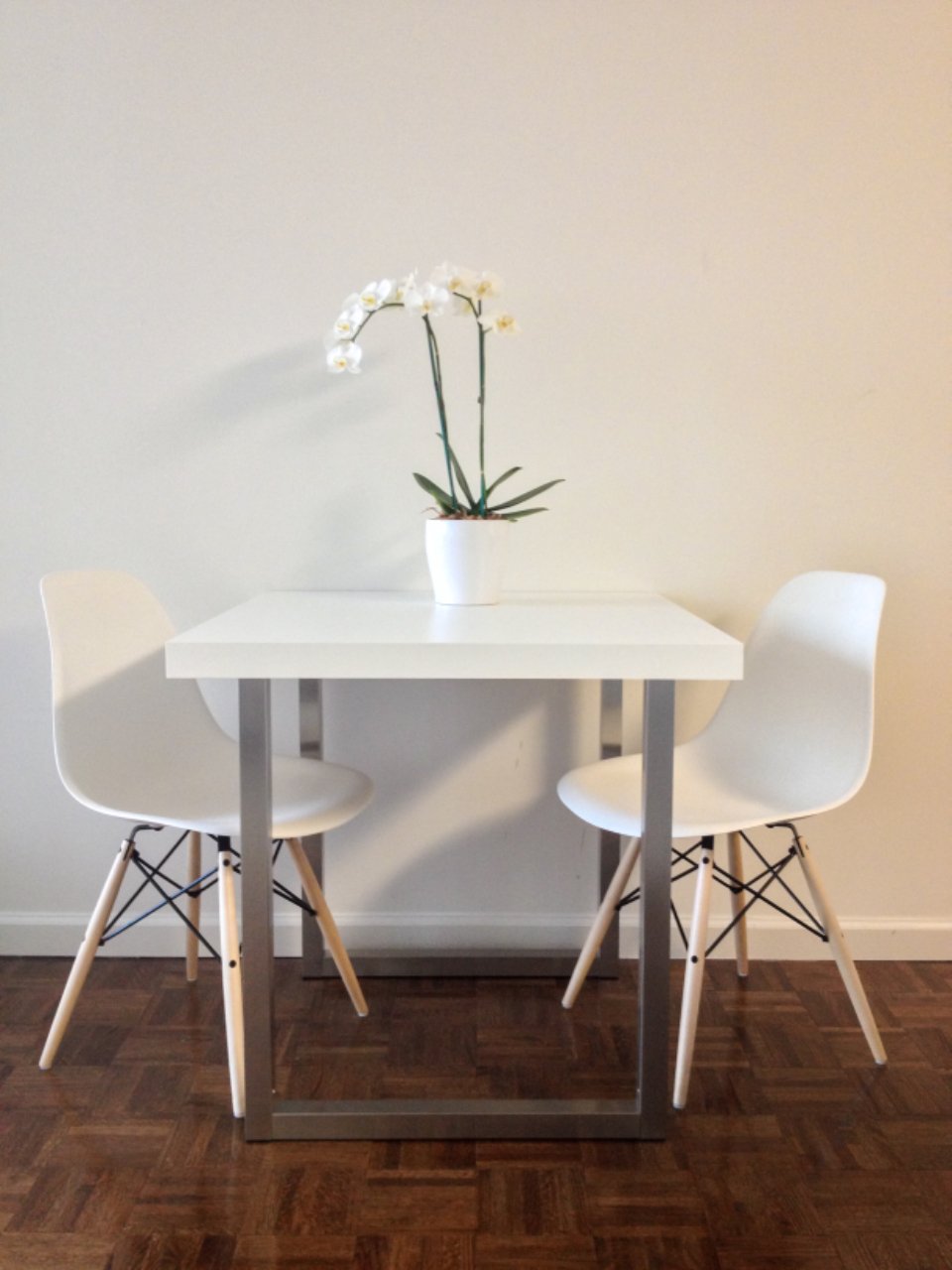
- Low, simple furniture with clean lines and no fuss.
- Natural materials: light and dark woods, bamboo, paper, stone, linen, wool.
- A muted palette: warm whites, sand, stone, charcoal, with occasional deep accents like black or rust.
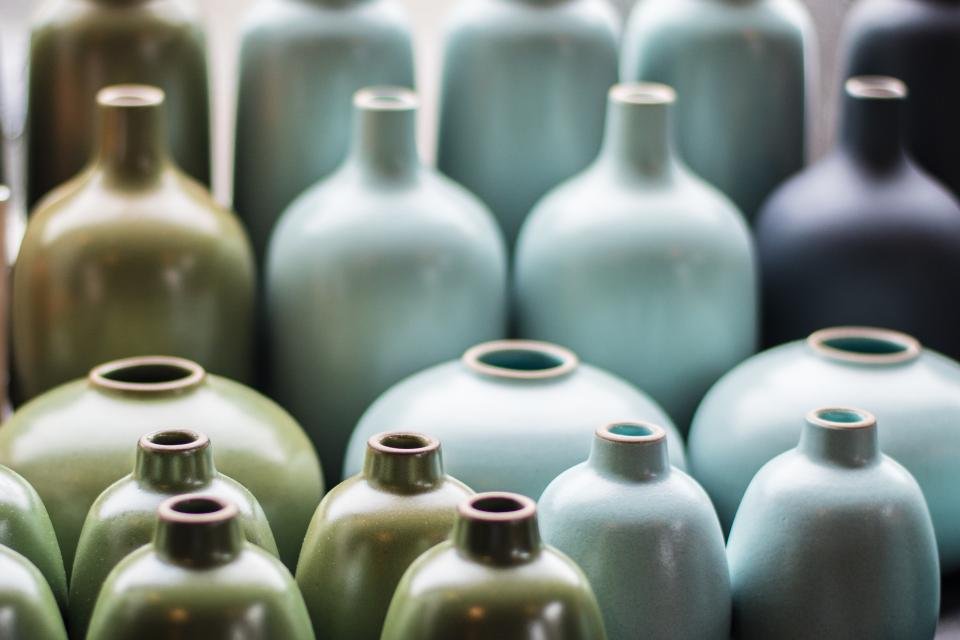
- Handmade objects: ceramics with visible texture, hand-woven baskets.
- Very few accessories — each one chosen with care.
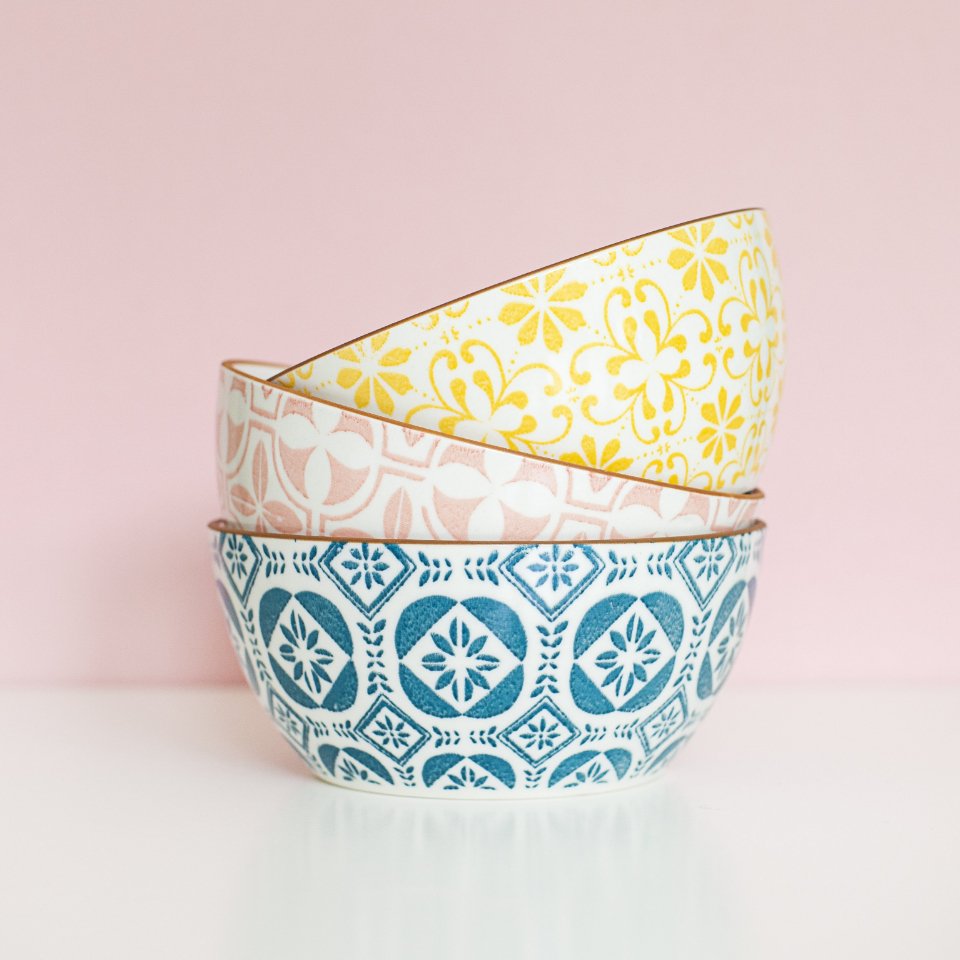
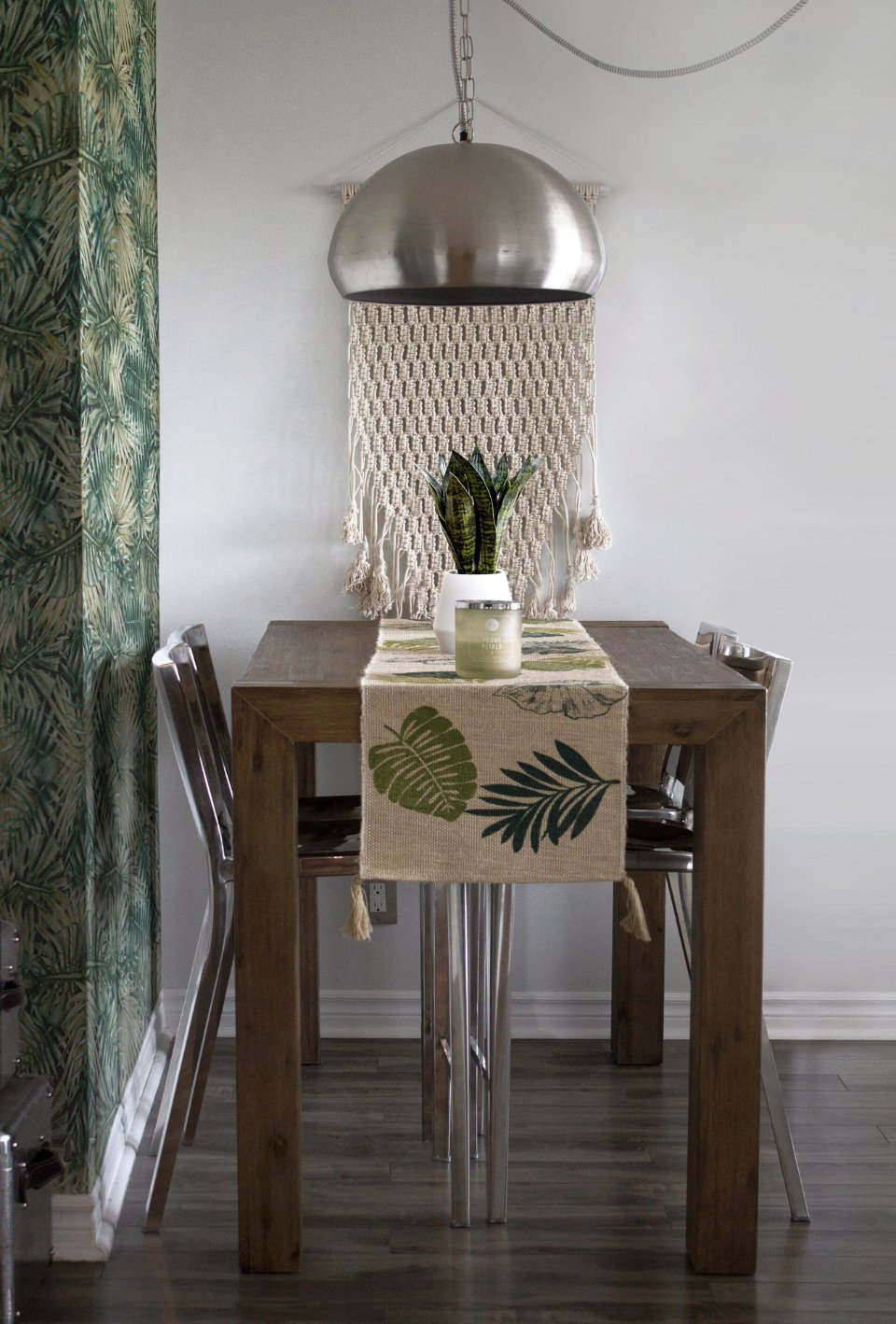
Handmade ceramics and simple wood: the heart of the look.
Japandi vs. minimalism
Minimalism is about having less. Japandi is about having less of the right things. It’s warmer, more tactile and more forgiving. A Japandi room can have a cosy throw, a well-loved chair and a stack of books — they just need to feel calm and considered.
Less, but warmer.
ChicFormat
How to bring it home
- Clear one room of anything you don’t use or love.
- Swap one synthetic textile for linen or wool.
- Introduce one handmade ceramic piece.
- Choose lower furniture where you can — it makes ceilings feel taller and rooms calmer.
- Add a single natural element: a branch, a bonsai, a bowl of stones.
Shop the Look
The Japandi edit
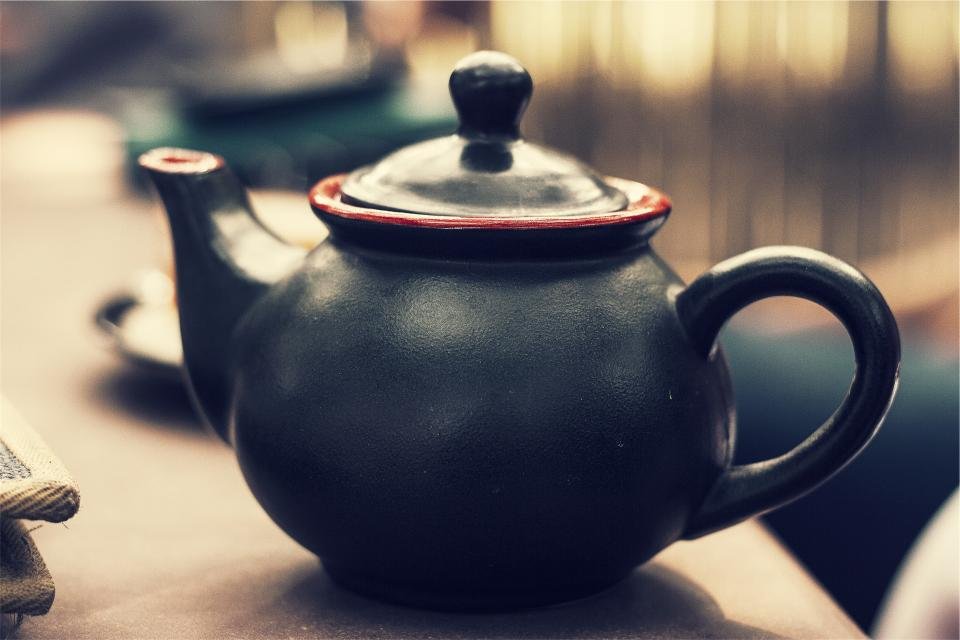
Tableware
Hand-Glazed Ceramic Bowls
Approx. $80
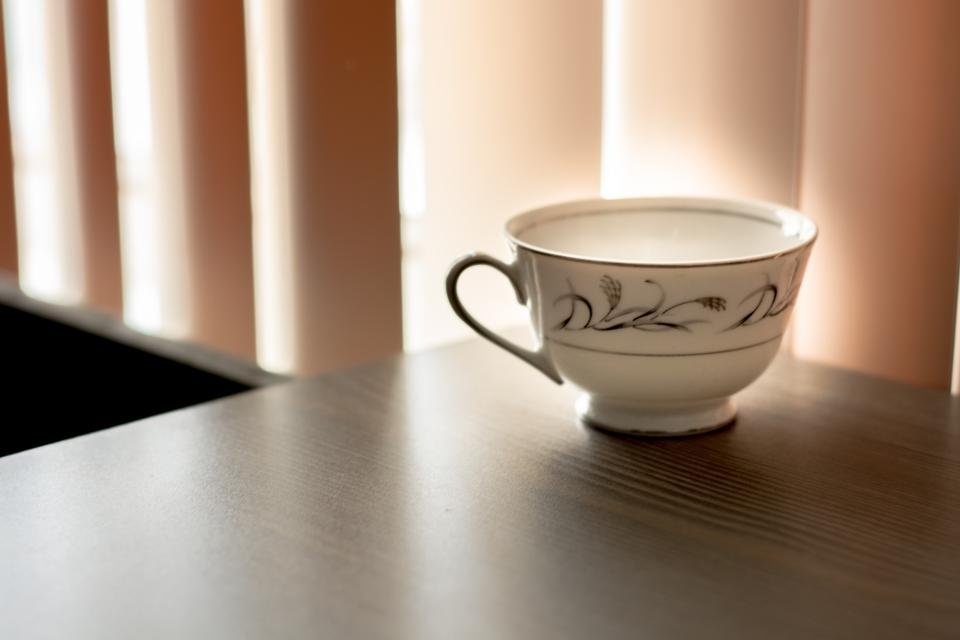
Tableware
Porcelain Tea Cups, Set of 2
Approx. $38
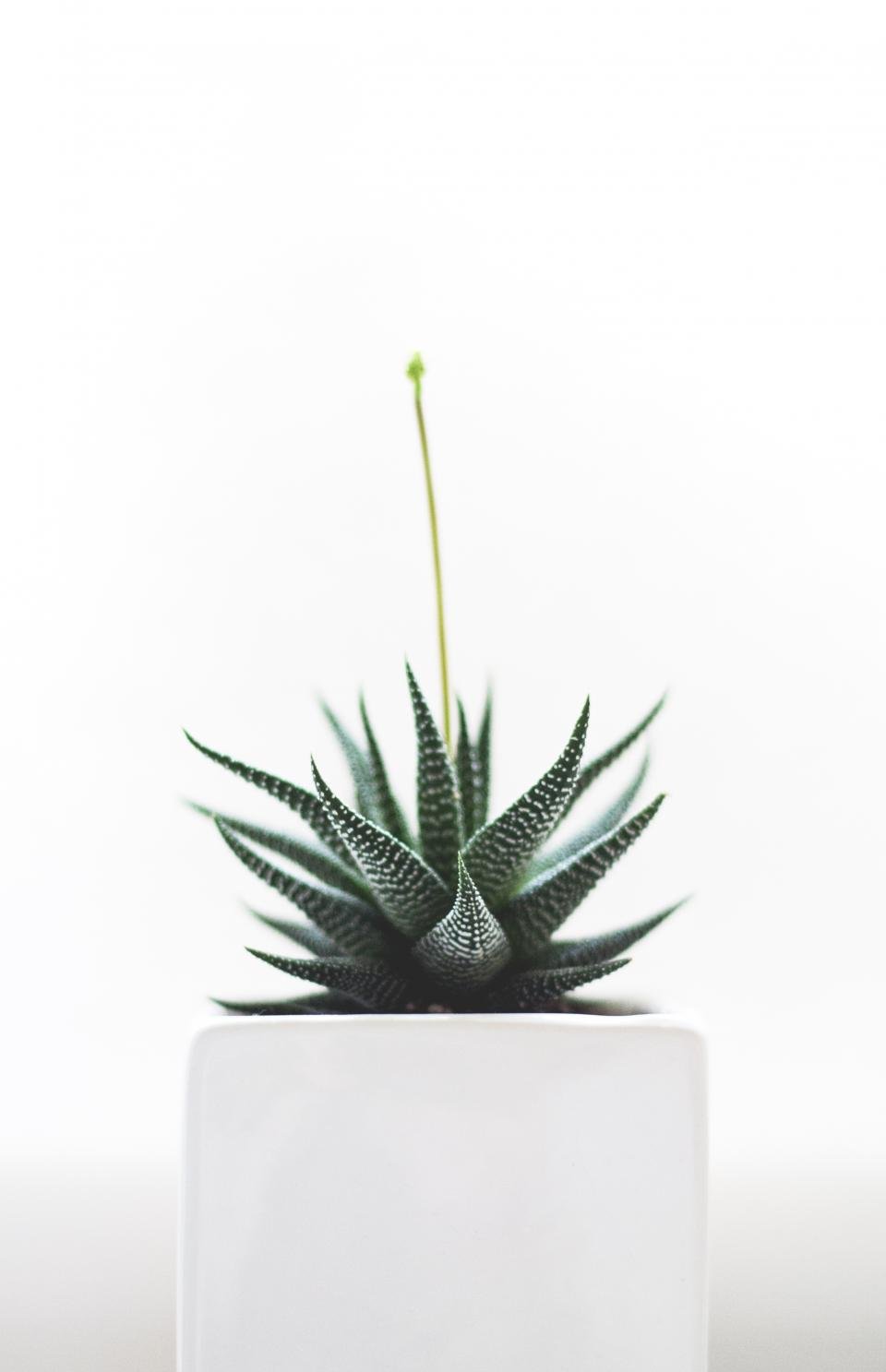
Greenery
Sculptural Succulent
Approx. $25
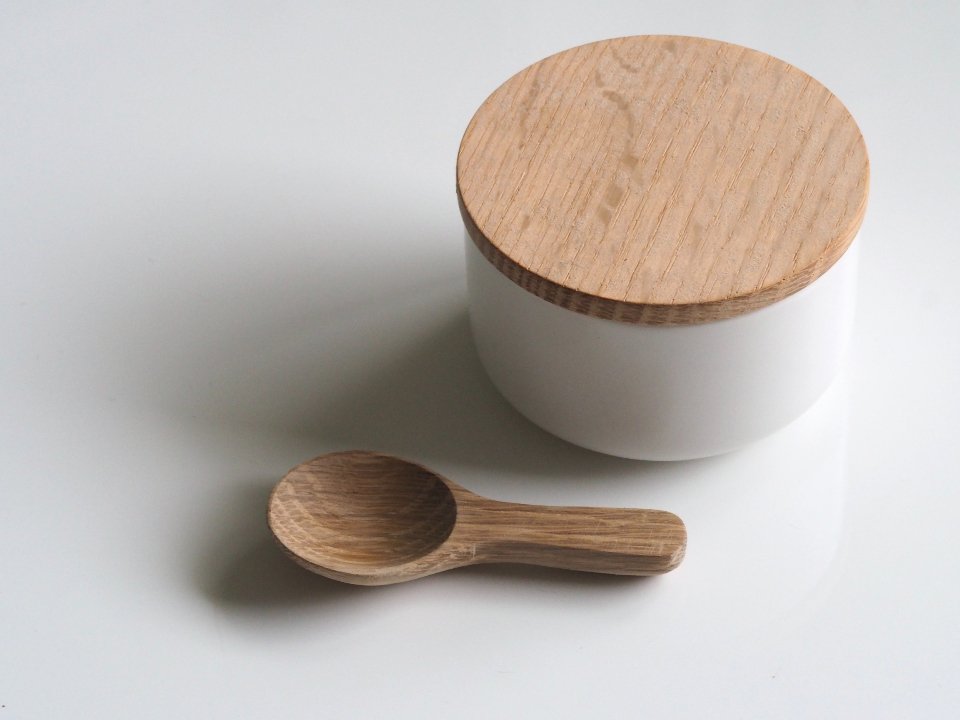
Storage
Ceramic Jar with Wood Lid
Approx. $36