For a long time I believed a living room was finished when every surface had something on it. A tray on the coffee table, a stack of books on the tray, a candle on the books. Every shelf, every corner, every bare bit of wall felt like a question I hadn’t answered yet.
Then, one grey Sunday, I took everything off the coffee table to clean it — and I didn’t put it back. The room looked calmer immediately. Not emptier, exactly. More deliberate. That afternoon started what I now think of as the quiet living room: a space where each piece is there for a reason, and there’s enough air around it to actually notice it.
Start with what the room is for
Before you remove or add a single thing, ask what really happens in this room. In ours, it’s coffee in the morning, reading in the evening, and the occasional movie night with far too many blankets. Everything that supports those moments stays. Everything that just fills space is up for discussion.
It sounds obvious, but it’s the most useful filter I know. A beautiful side table you never put anything on is a sculpture. That’s fine — as long as you chose it to be one.
Edit in three passes
- Pass one: clear the surfaces. Take everything off tables, shelves and the mantel. Live with the bare room for a day or two.
- Pass two: return only the favourites. Bring back the pieces you missed. You’ll be surprised how few there are.
- Pass three: group what’s left. Three objects together read as a single, intentional moment. Three objects scattered read as clutter.
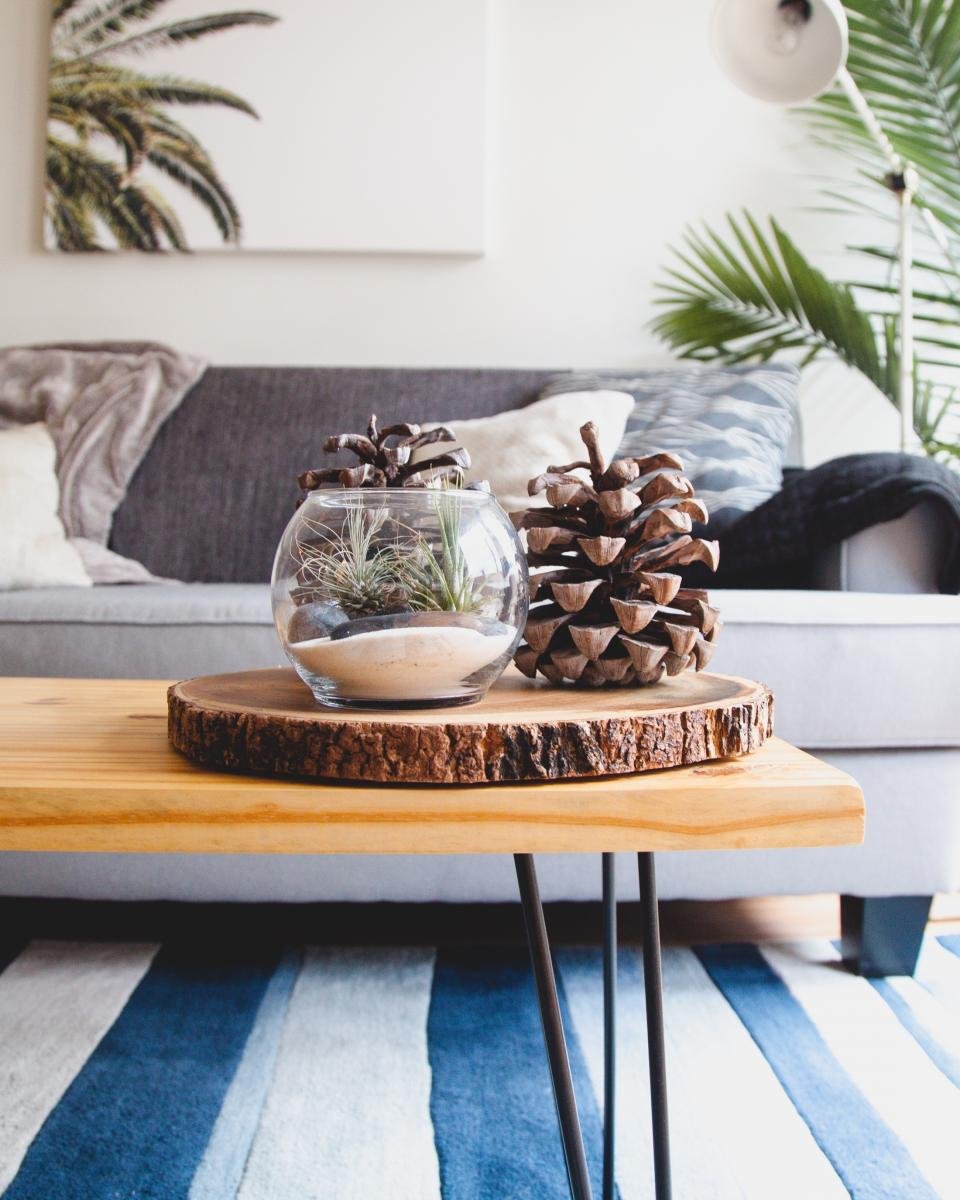
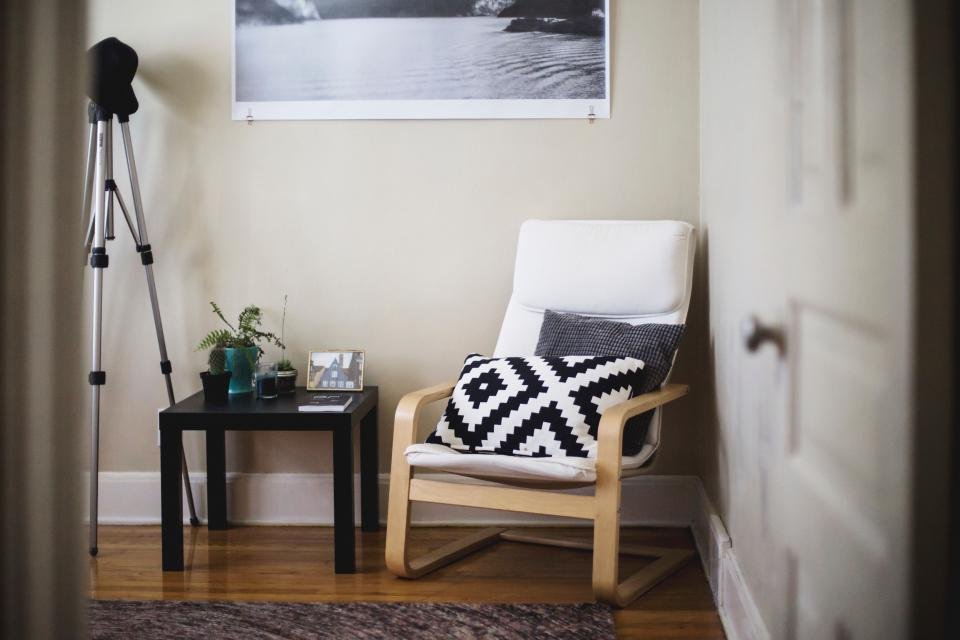
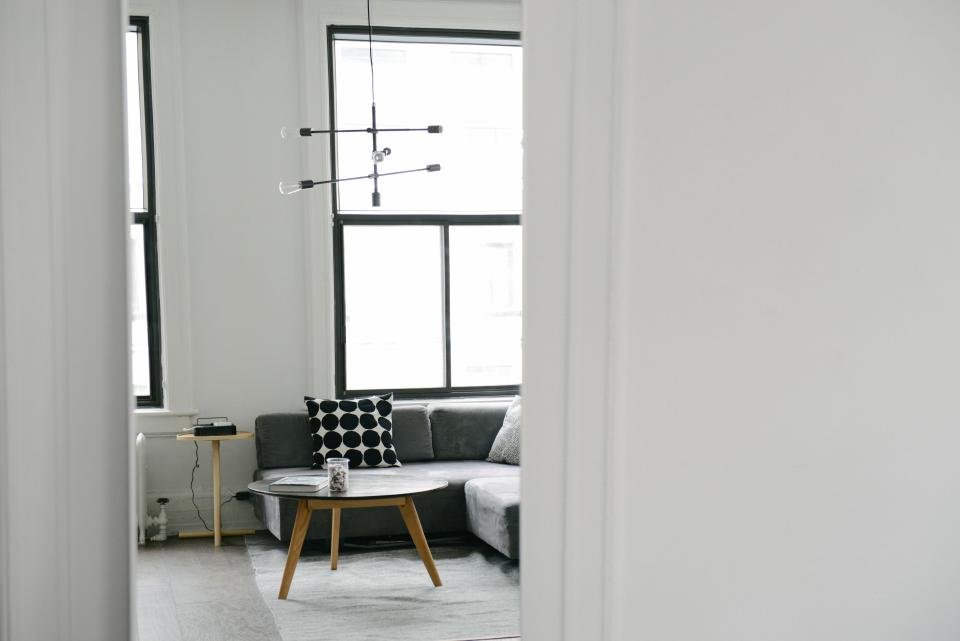
Left: one natural object on the coffee table. Right: a corner that does exactly one job — reading.
Let texture do the decorating
When you take objects away, texture becomes the thing that keeps a room from feeling cold. A nubby wool throw, a raw-edged wood slice, a linen cushion that looks better slightly creased. In a quiet room these details carry the weight that a dozen accessories used to.
A calm room isn’t an empty room. It’s a room where everything has been invited.
ChicFormat
Leave one surface empty on purpose
This is my favourite rule, and the hardest to keep. Choose one surface — a console, a windowsill, the end of the dining table — and keep it completely clear. It gives the eye somewhere to rest, and it makes the styled surfaces around it look more considered.
Our living room isn’t a showroom. There are still library books on the floor and a basket of laundry that migrates around the house. But the bones are quiet now, and that makes the everyday mess feel temporary rather than permanent. That, for me, is the whole point.
Shop the Look
Pieces for a quiet living room

Textiles
Chunky Knit Throw
Approx. $120
Decor
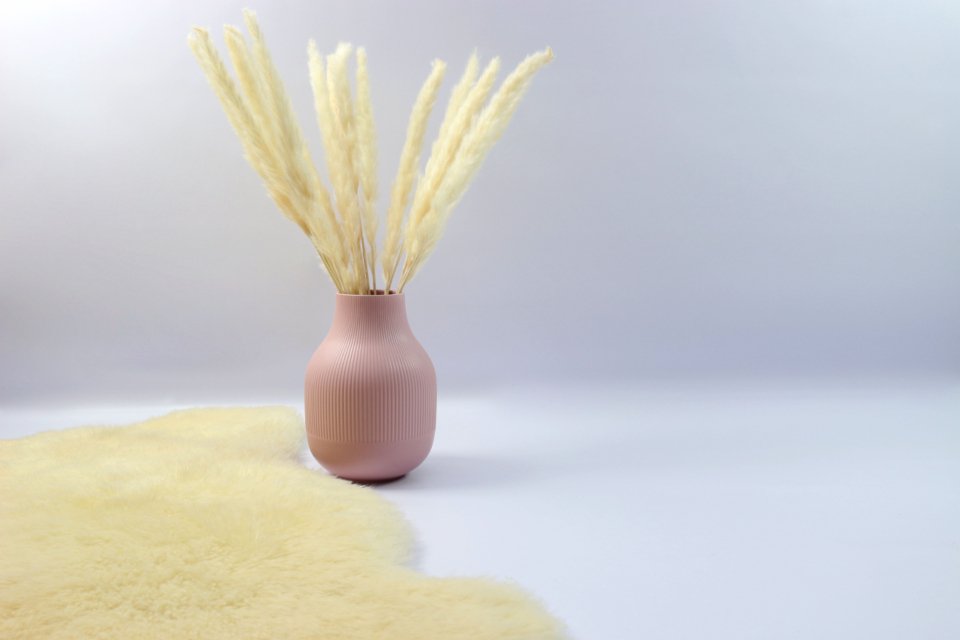
Matte Ceramic Vase
Approx. $65
Lighting
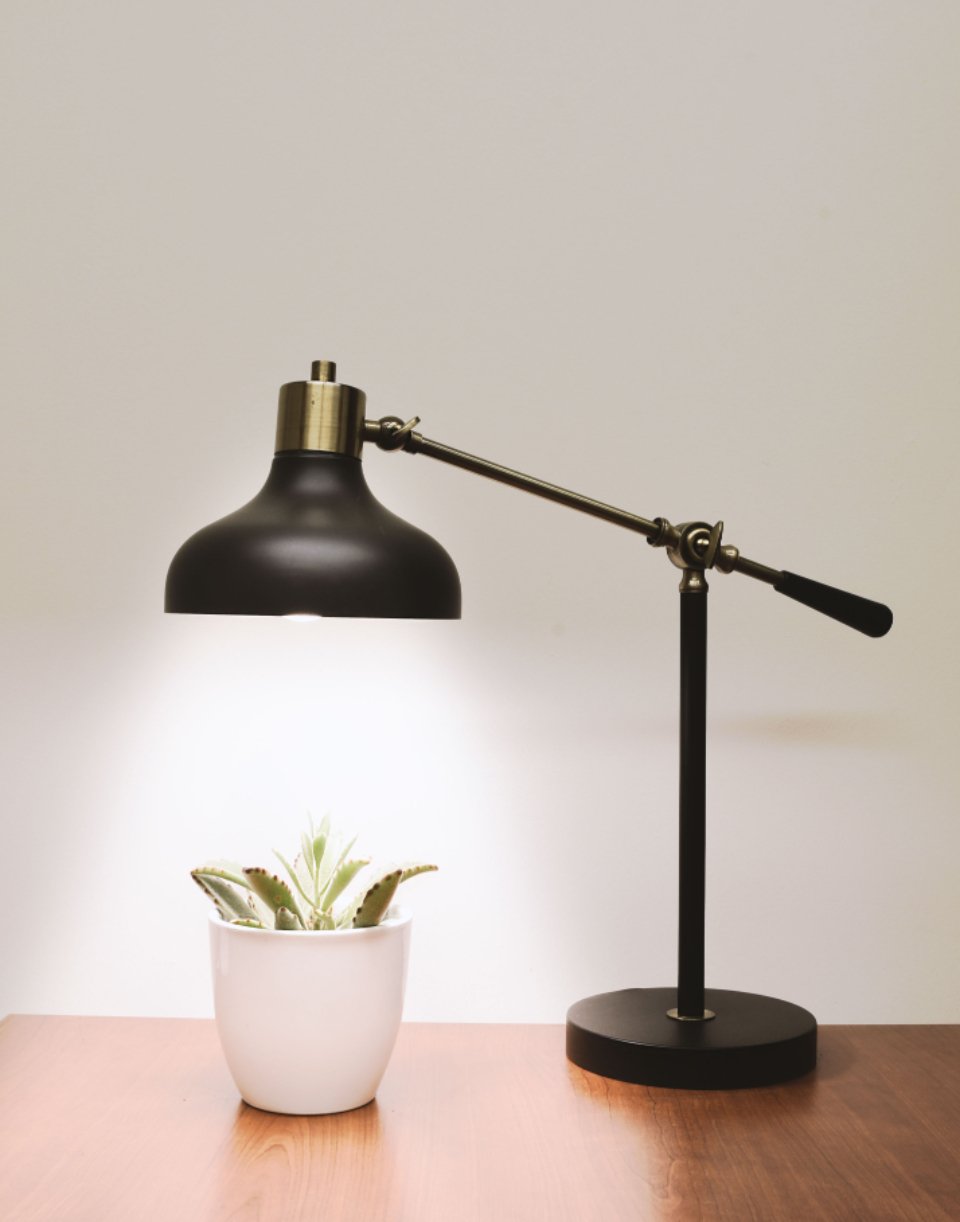
Black & Brass Task Lamp
Approx. $180
Textiles
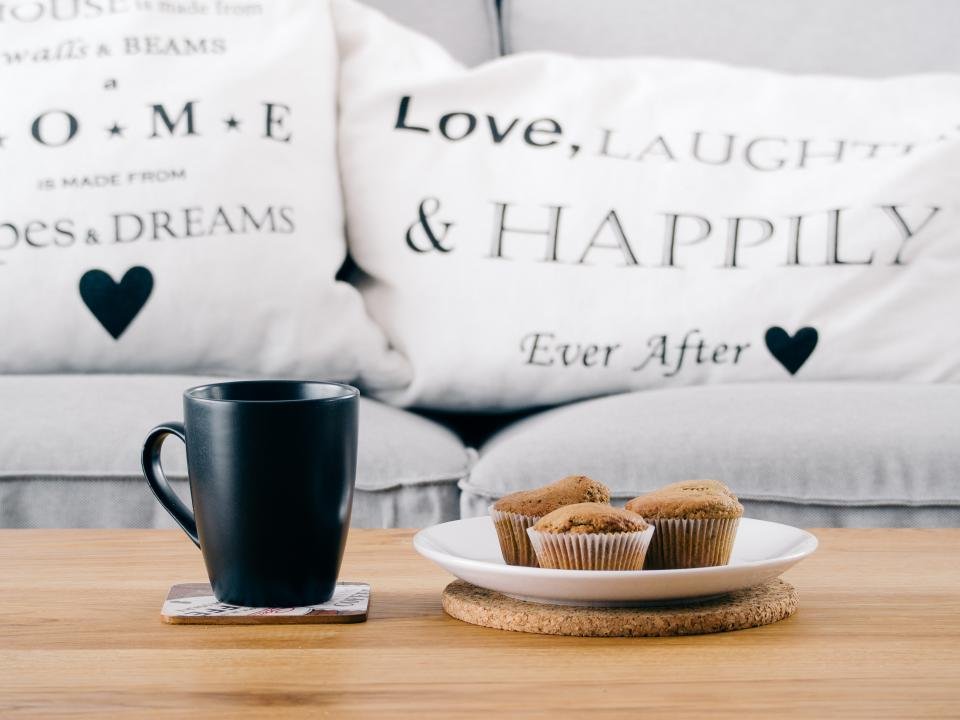
Washed Linen Cushion
Approx. $55