Somewhere along the way, setting the table became something we only do for guests. I’d like to gently argue for doing it more often — not formally, not perfectly, but with a little intention. It changes the pace of a meal. People linger. Phones stay in pockets. Dinner becomes an evening.
Start with the table itself
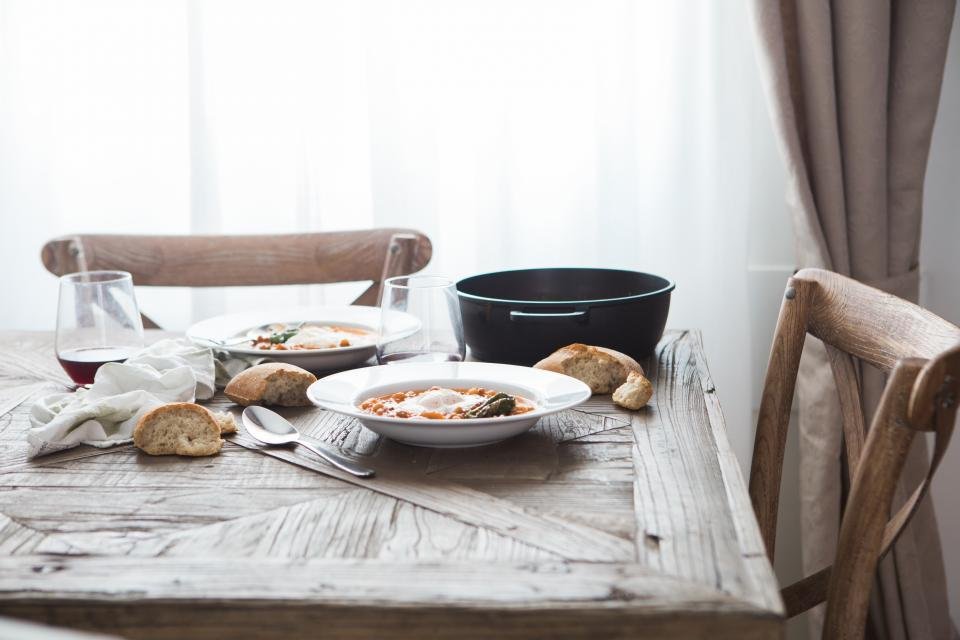
If you have a beautiful wooden table, let it show. Skip the tablecloth and use placemats or a runner instead. If your table is less lovely, a washed linen cloth hides a multitude of sins and instantly looks relaxed and elegant.
Layer, but lightly
- A placemat or charger to define each setting — woven, linen or simple wood.
- One plate, maybe a bowl. Stacking more than two pieces starts to feel like a restaurant.
- A cloth napkin, loosely folded or simply tucked under the fork.
- Glassware that matches your mood — tumblers for weeknights, stems for weekends.
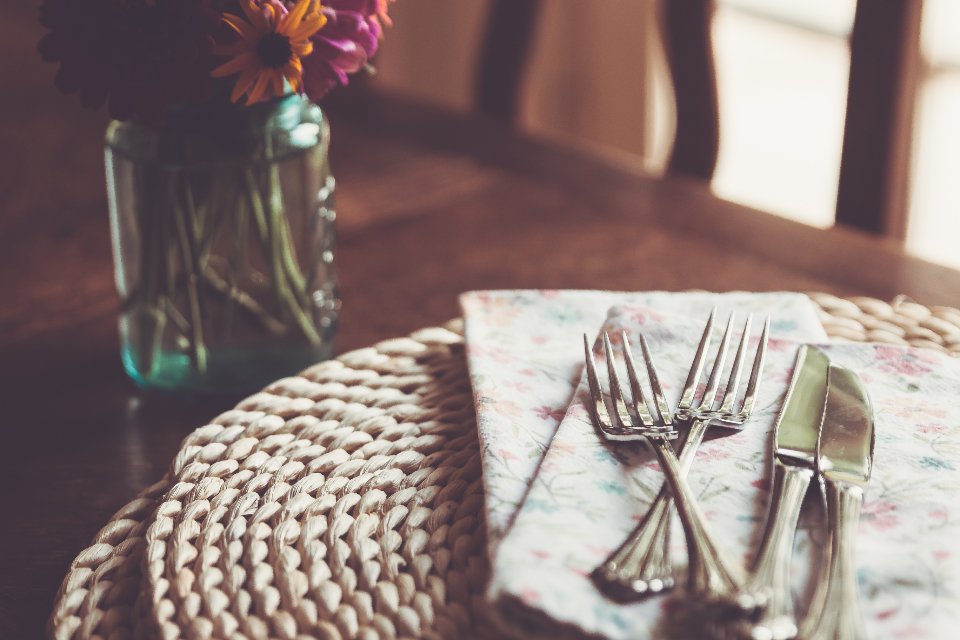
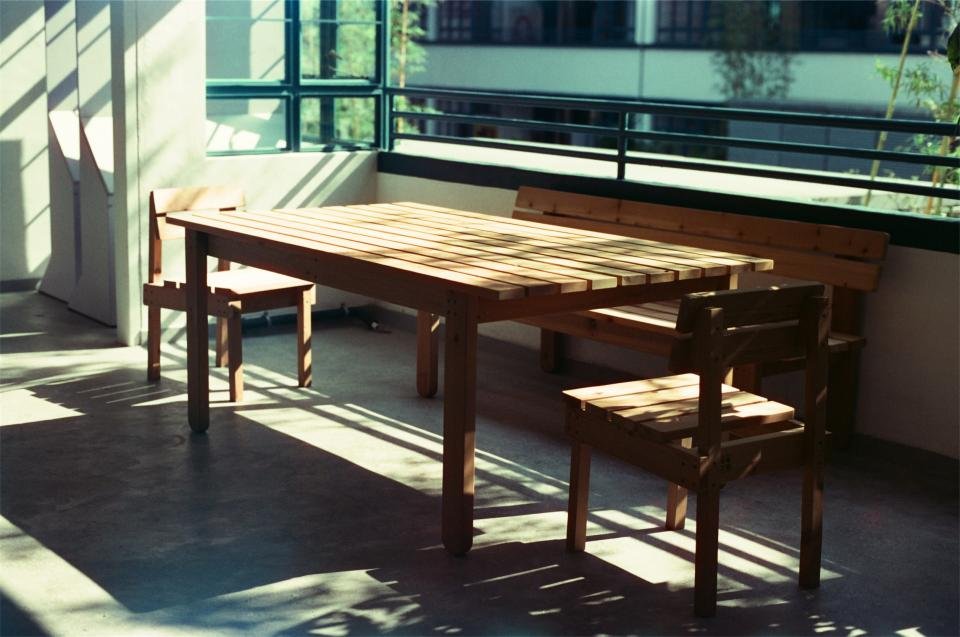
Texture underfoot and a long table in good light: the whole recipe.
Keep the centre low
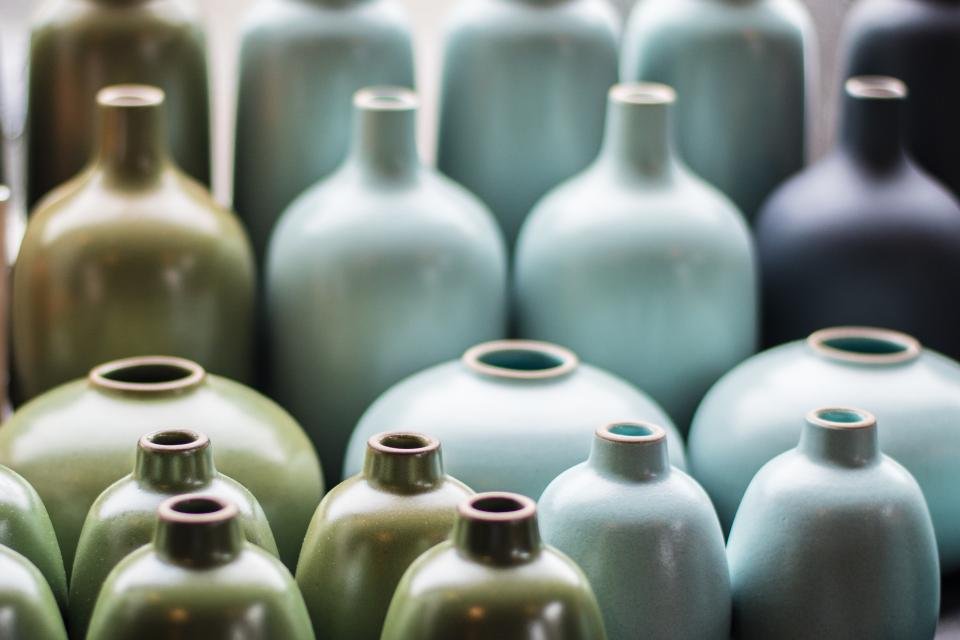
Tall arrangements are lovely in photos and terrible for conversation. Keep anything in the centre of the table below eye level: a few bud vases, a bowl of fruit, a cluster of candles. You should be able to see everyone’s face.
A set table says: stay a while.
ChicFormat
Light the table, not the room
Once the food is out, dim the overhead lights and let candles or a low pendant do the work. Warm, low light is flattering to food and faces alike, and it signals — without anyone saying it — that this is time to slow down.
We do this most Sundays now. Nothing elaborate: soup, bread, a candle or two. But it’s become my favourite meal of the week.
Shop the Look
For the table
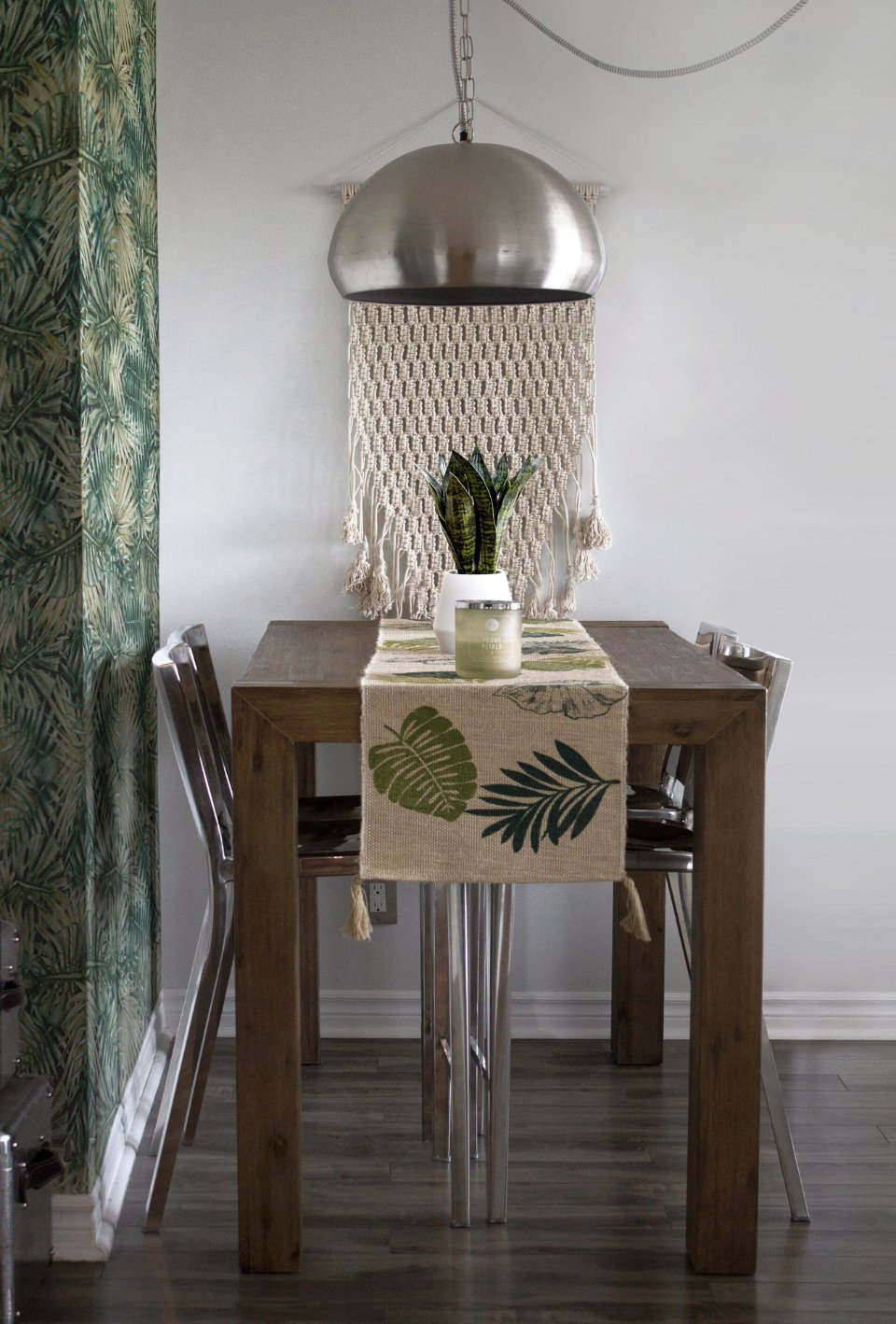
Table Linen
Woven Seagrass Placemats, Set of 4
Approx. $48
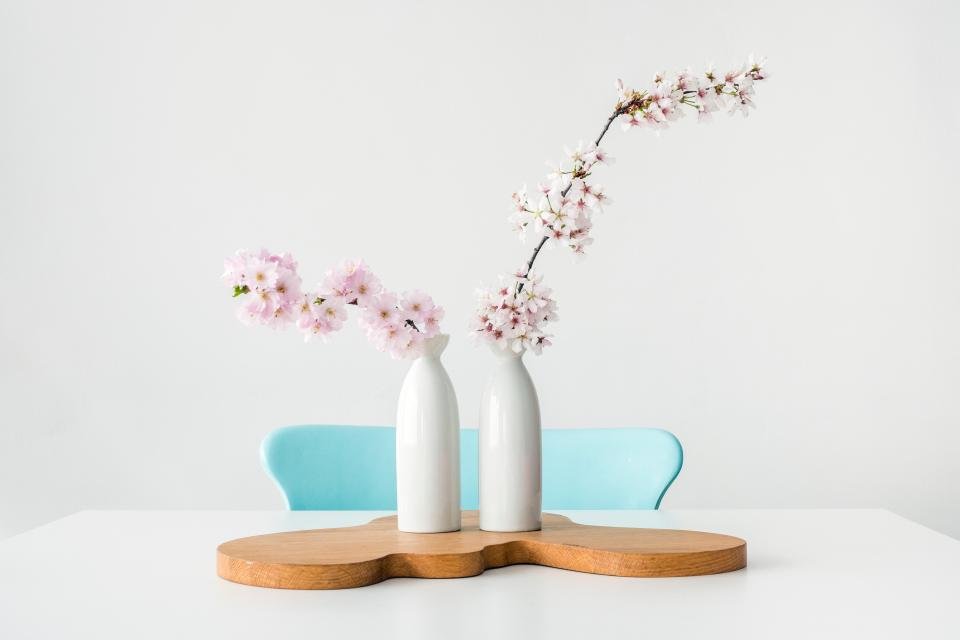
Decor
Porcelain Bud Vases, Set of 3
Approx. $42
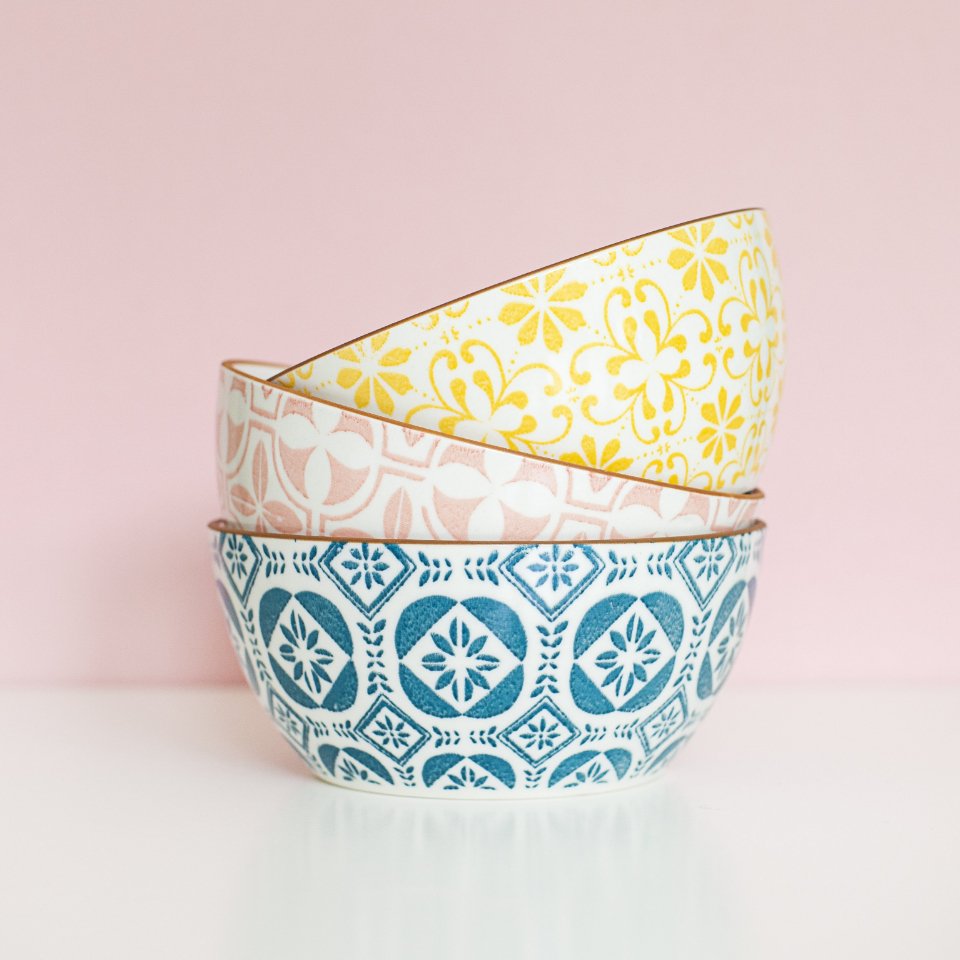
Tableware
Speckled Stoneware Dinner Set
Approx. $140
Accent
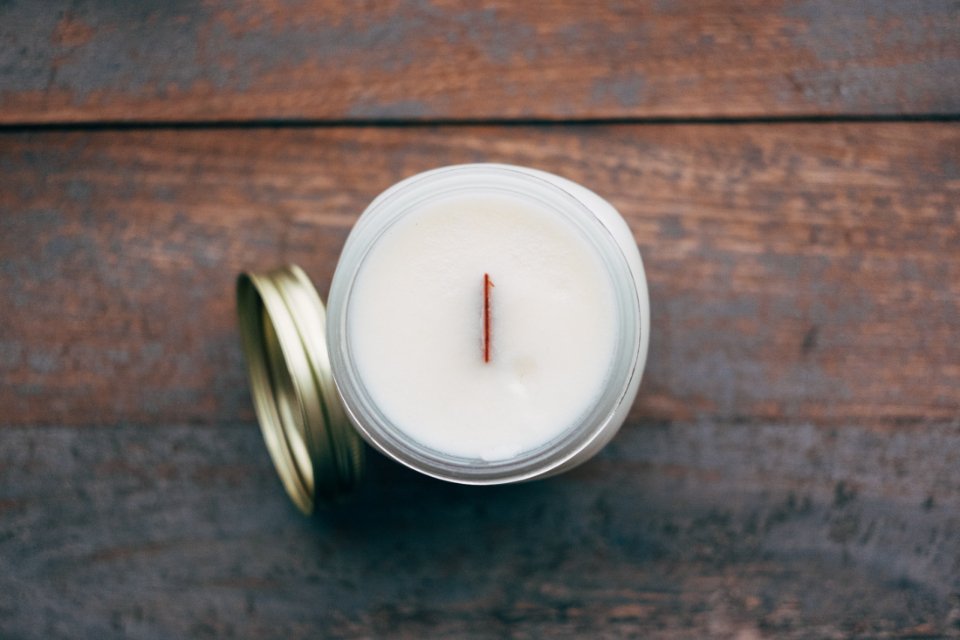
Unscented Pillar Candles
Approx. $28