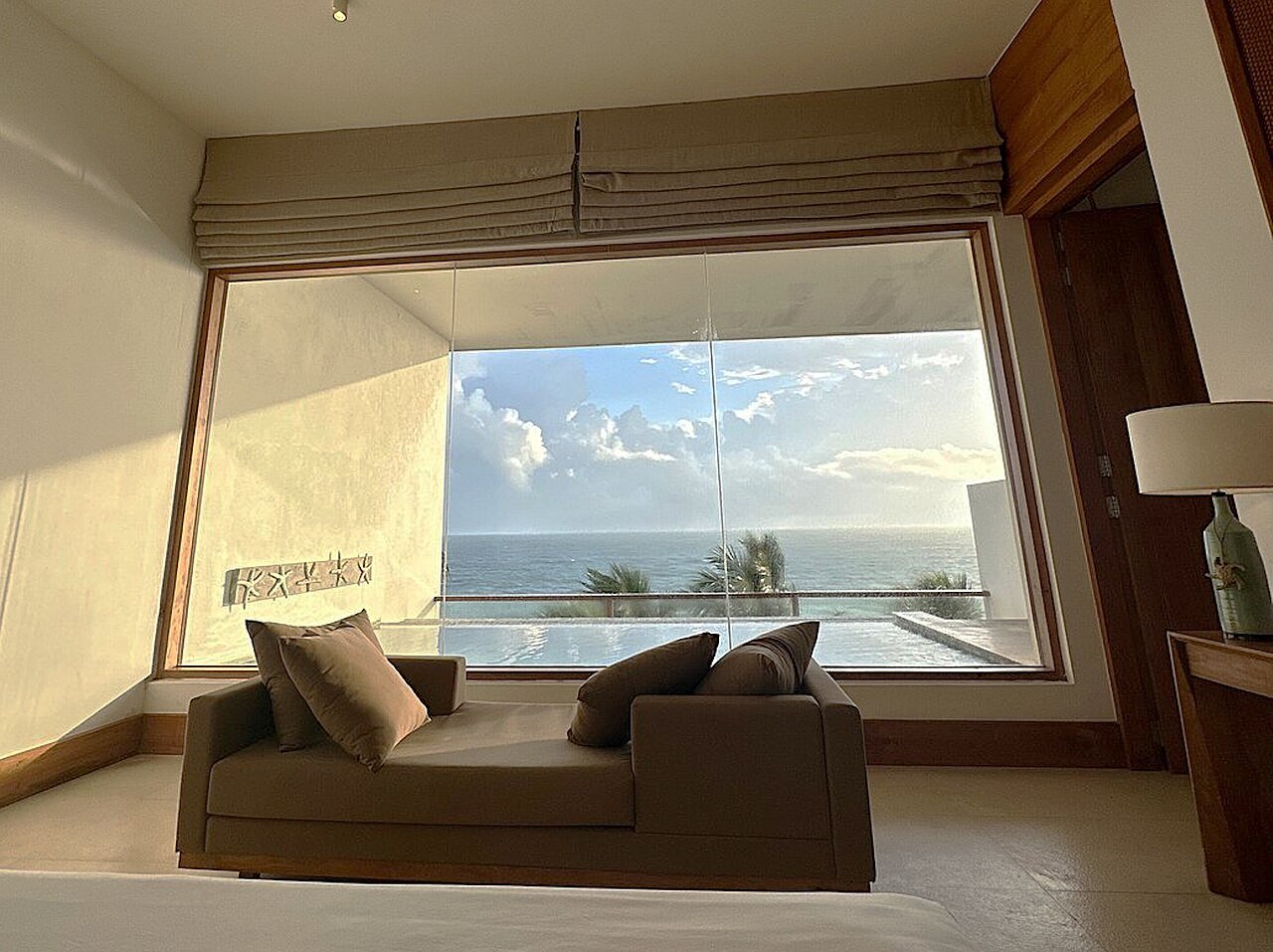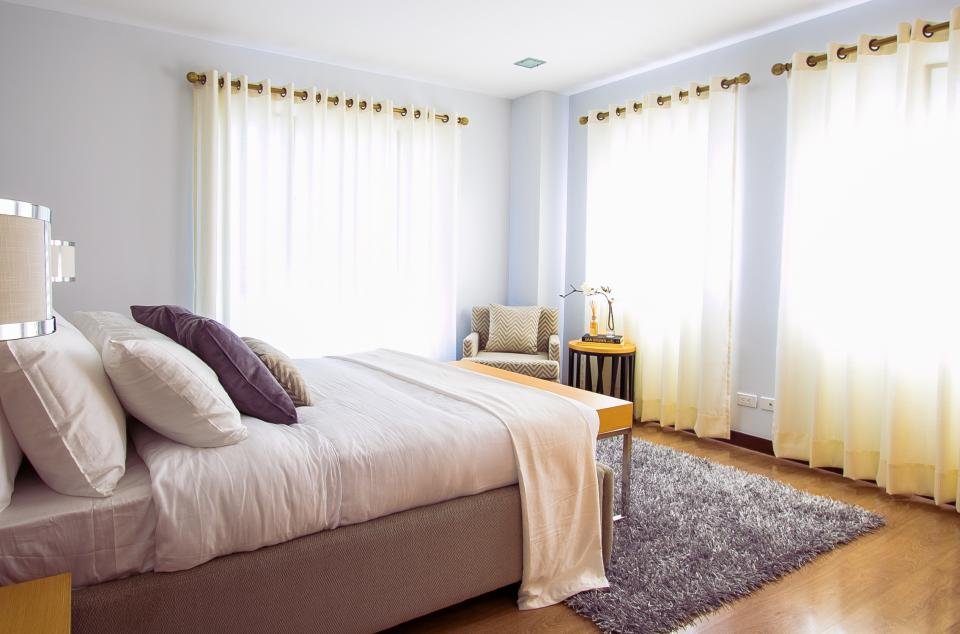
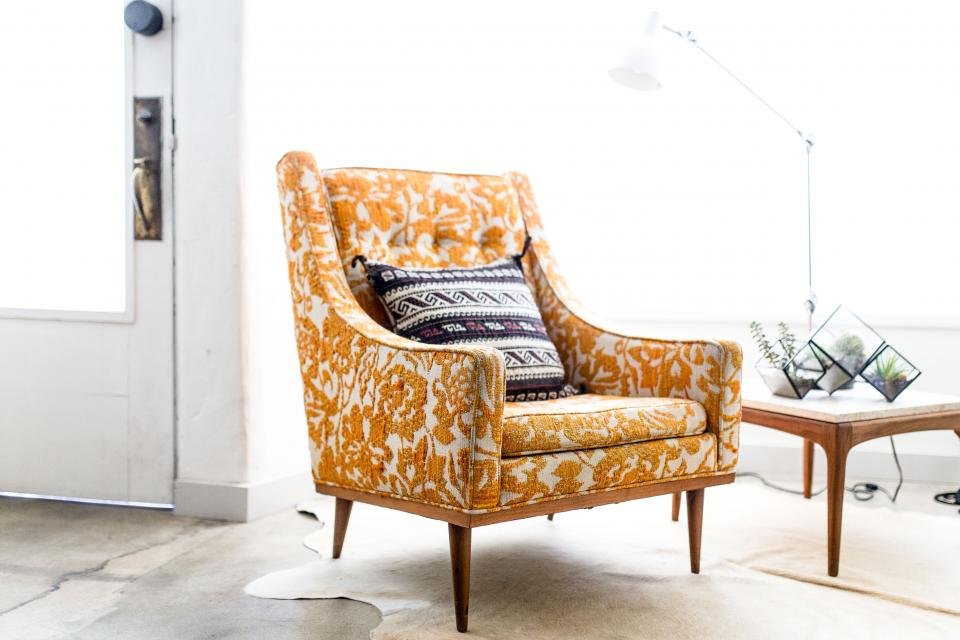
Mid-century modern is one of the most enduring design styles of the last hundred years. It refers to furniture and architecture from roughly the mid-1940s to the late 1960s, and its influence is everywhere — from tapered chair legs to the low, long sofas many of us live with today.
What defines it
- Clean, organic lines: simple shapes with gentle curves, never fussy or ornate.
- Tapered, raised legs: furniture that floats off the floor, making rooms feel lighter.
- Warm woods: teak and walnut especially, often paired with leather or wool.
- Function first: pieces designed to be useful, comfortable and well-made.
- Confident accents: mustard, olive, burnt orange and teal against neutral backgrounds.
Why it’s never really gone away
The style was built around ideas that still make sense: open, light-filled spaces, furniture that’s comfortable and practical, and a respect for good materials. Those principles fit modern life remarkably well. A mid-century chair works as happily in a new-build condo as it does in a vintage bungalow.
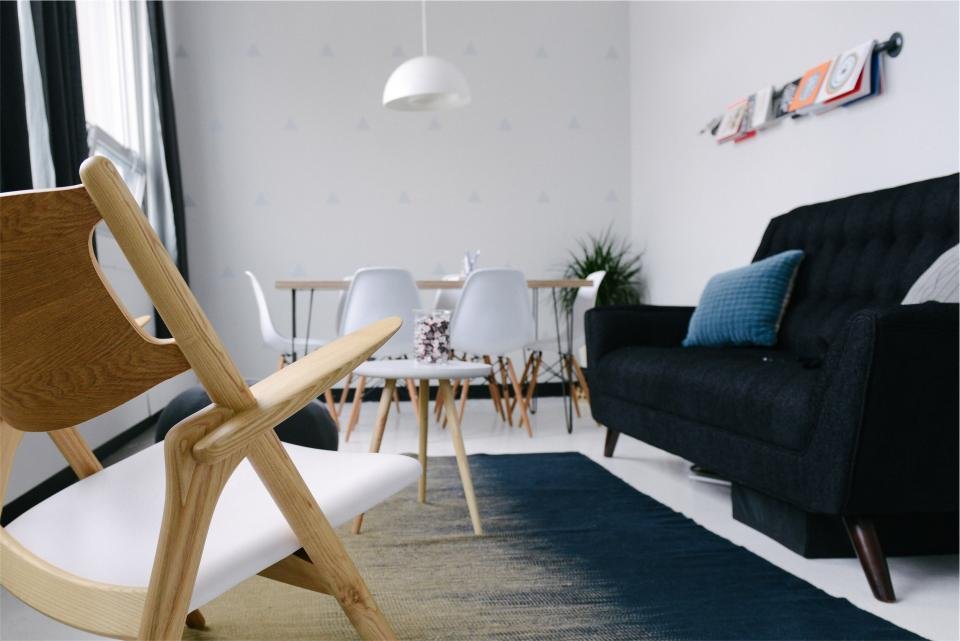
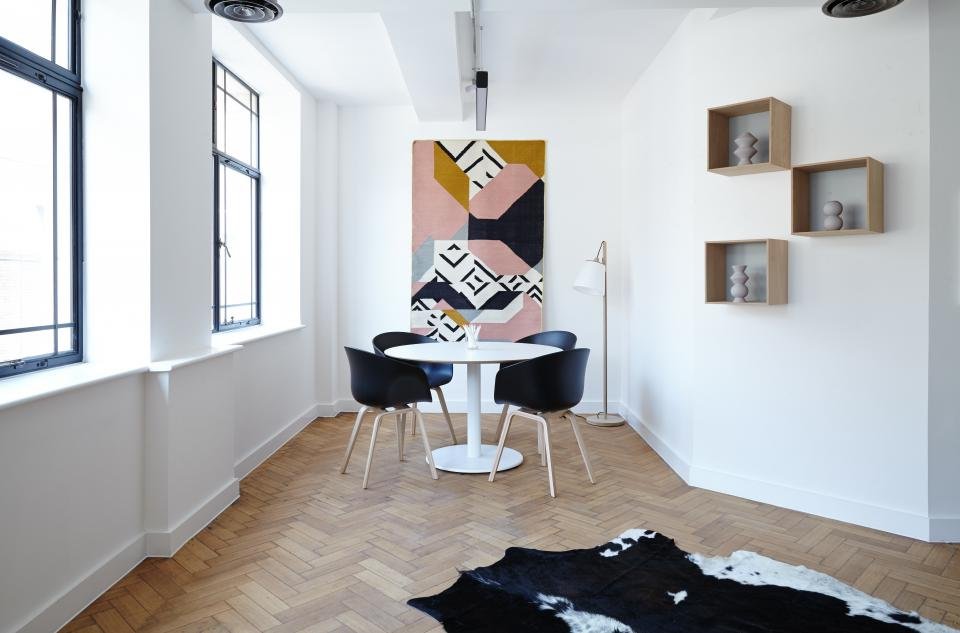
Low, clean-lined furniture and sculptural lighting carry the spirit forward.
Good design from any era feels at home in the present.
ChicFormat
How to use it without living in a museum
- Mix one or two mid-century pieces with softer, contemporary furniture.
- Keep walls neutral and let the furniture’s shapes and wood tones stand out.
- Use colour in small doses — a cushion, a print, a single chair.
- Look for vintage originals or well-made reproductions; quality is the whole point.
If you’re curious, start with a single chair. It’s the easiest way to bring a little mid-century spirit into a room — and you may find it becomes the piece everyone wants to sit in.
Shop the Look
A mid-century edit
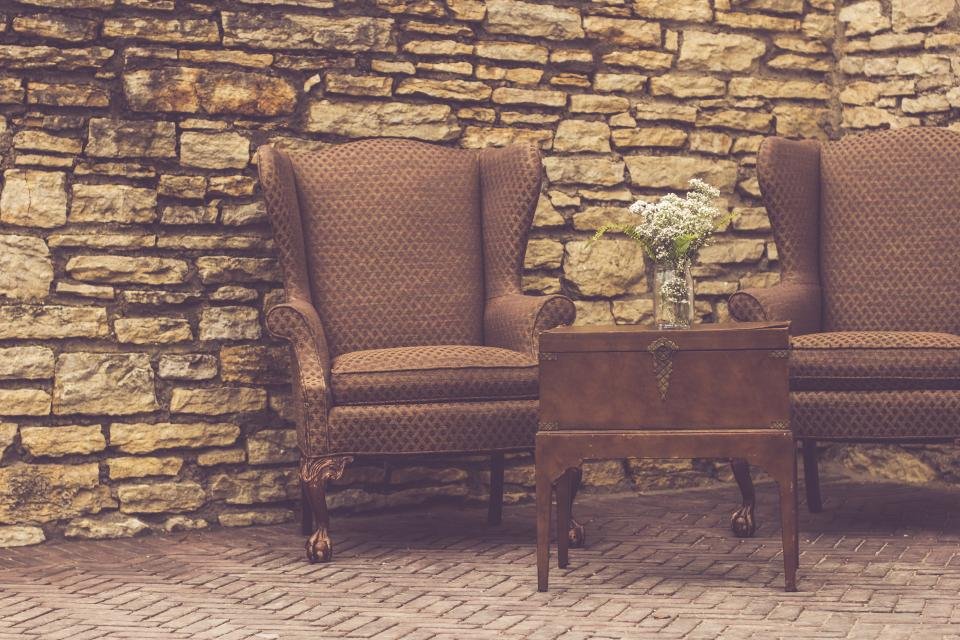
Seating
Mid-Century Lounge Chair
Approx. $720
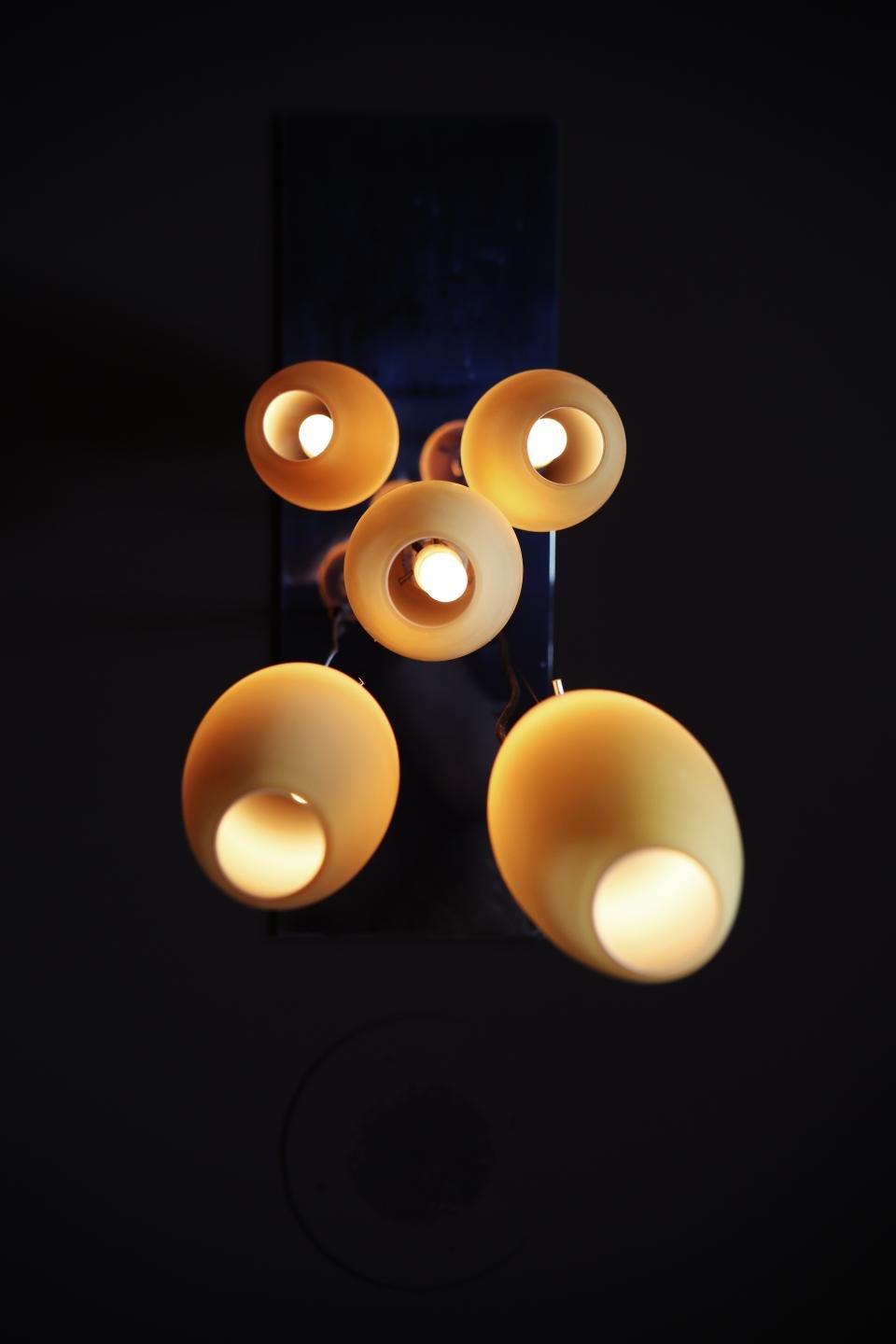
Lighting
Brass Sputnik-Style Pendant
Approx. $340
Furniture
Tulip-Style Round Table
Approx. $650
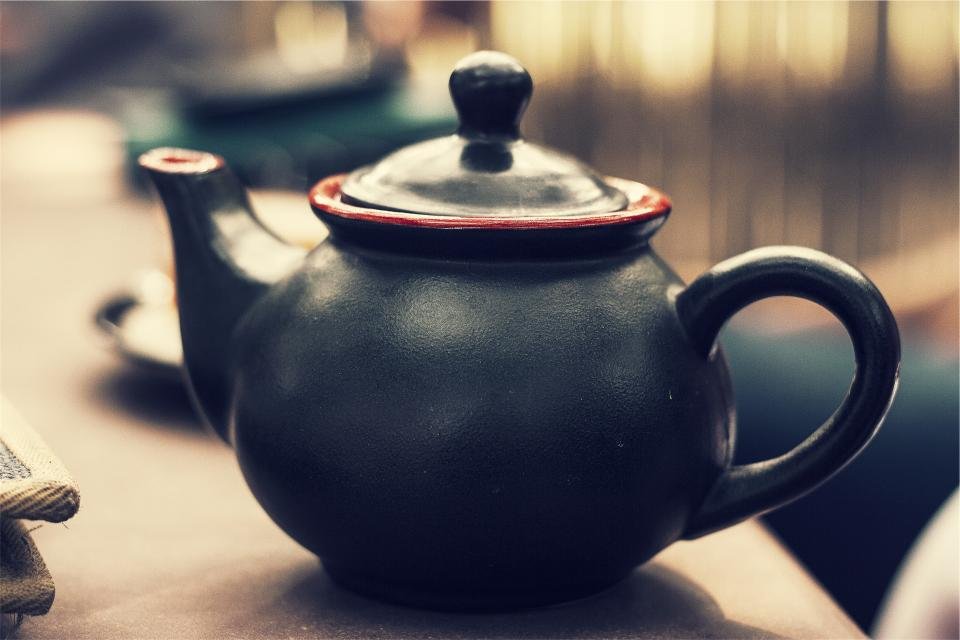
Accent
Glazed Ceramic Teapot
Approx. $70