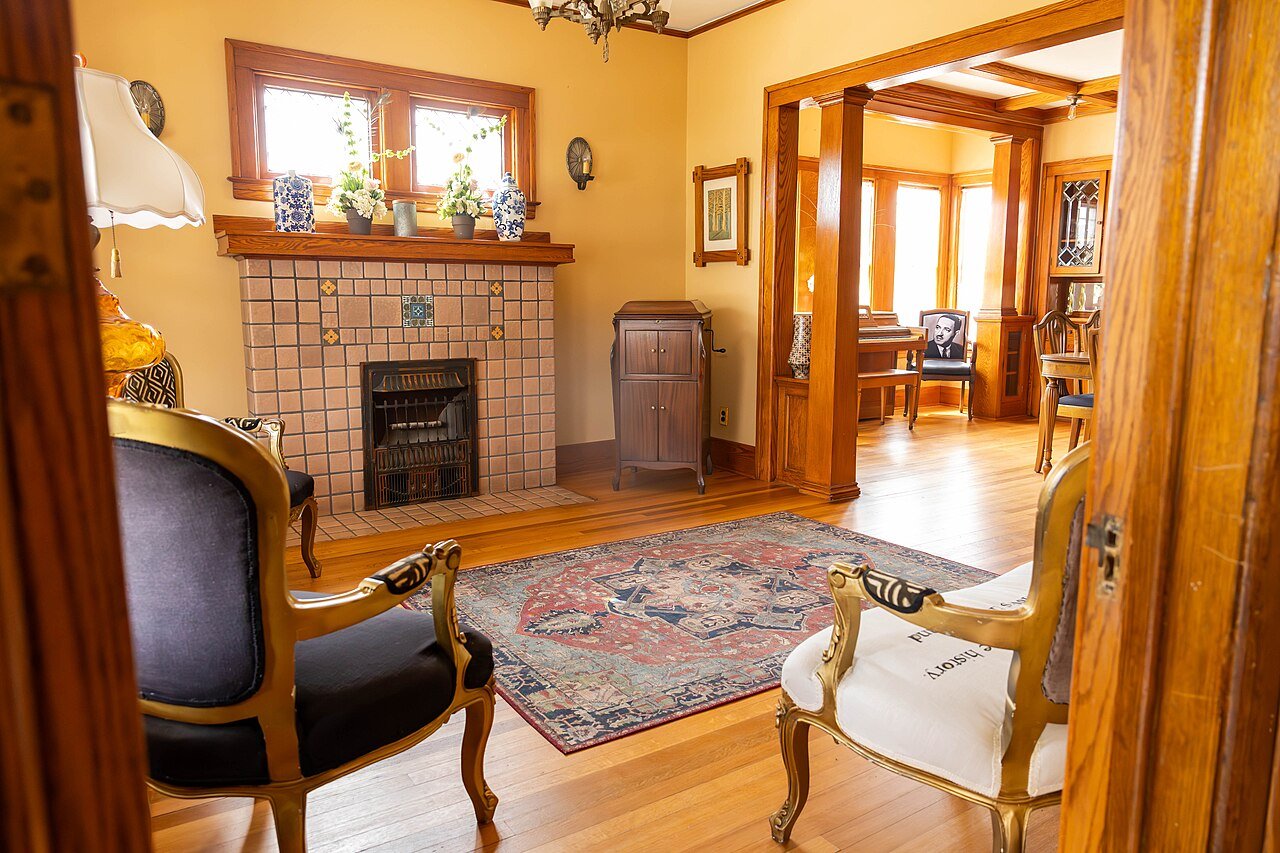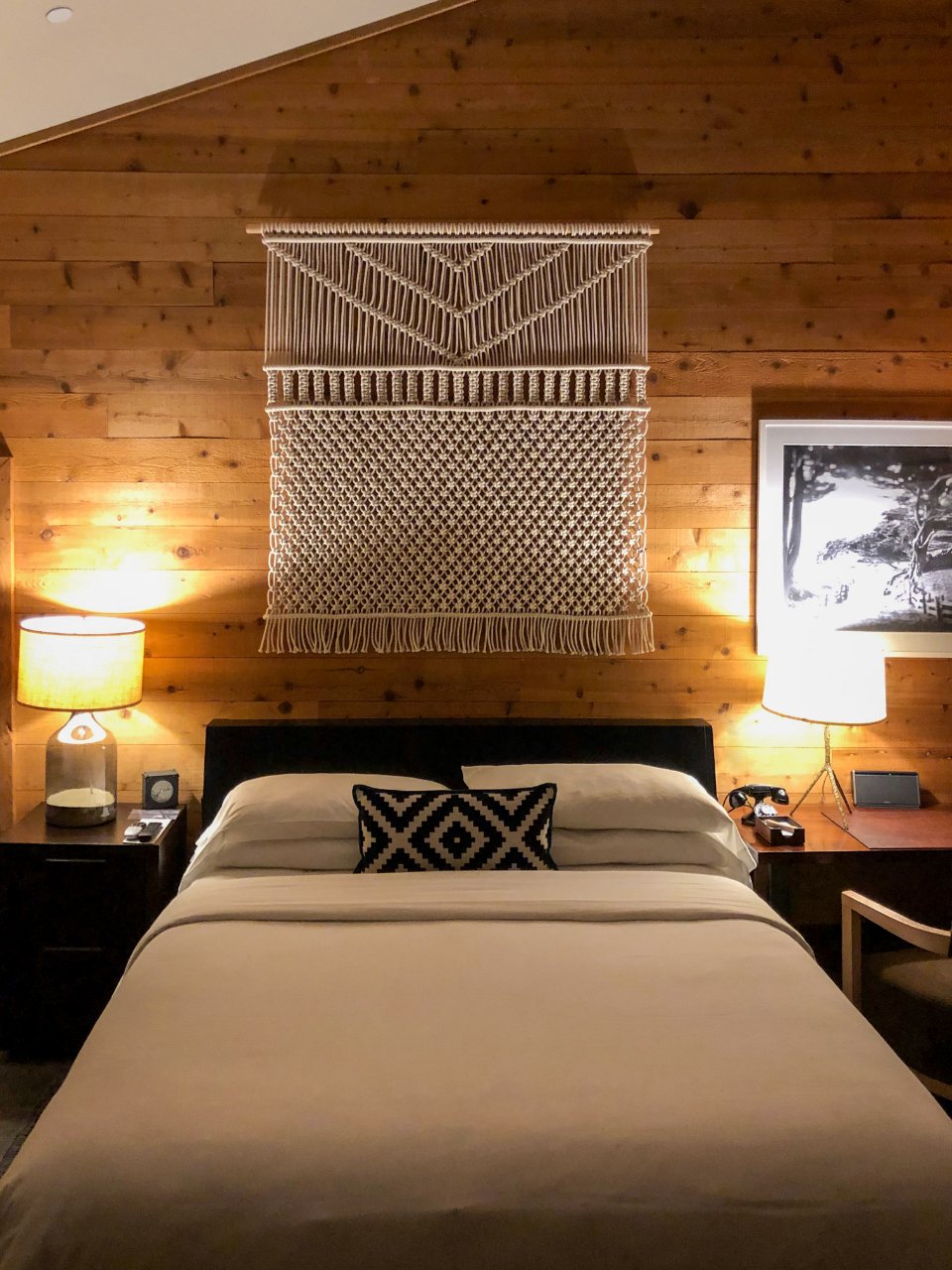
Wabi-sabi is one of those ideas that’s easy to feel and hard to define. It comes from Japanese aesthetics, and it describes a quiet appreciation for things that are imperfect, impermanent and incomplete — the crackle in an old glaze, the softened edge of a wooden table, linen that has been washed a hundred times.
In interiors, it’s often mentioned alongside Japandi, but it isn’t really a style you can buy. It’s more of an attitude. And once you understand it, it changes how you look at almost everything in your home.
The heart of the idea
- Imperfection is welcome. A handmade bowl that isn’t perfectly round has more character than a factory-perfect one.
- Age is beautiful. Wear, patina and fading tell the story of a thing being used and loved.
- Simplicity matters. Fewer objects, chosen with care, so each one can be noticed.
- Nature leads. Raw materials, muted earthy colours, and the changing light of the seasons.
How it shows up in a room
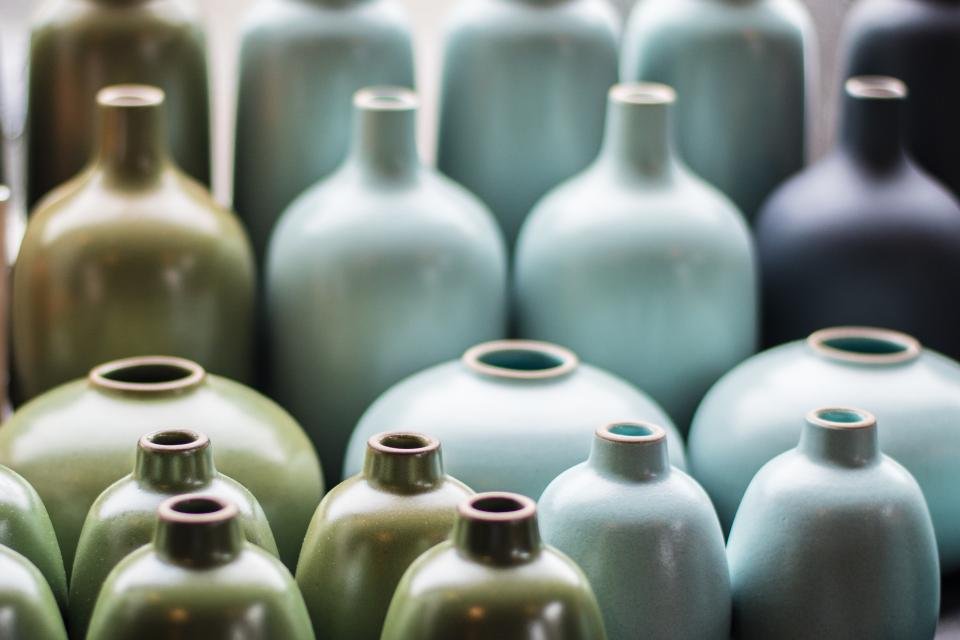
A wabi-sabi room tends to feel quiet and slightly undone. Plaster or limewashed walls with gentle variation in colour. Unlacquered wood. Linen and wool in natural shades. Stoneware with visible thumbprints. A single branch in a vase rather than an arranged bouquet. Nothing too shiny, nothing too new-looking, nothing that demands attention.
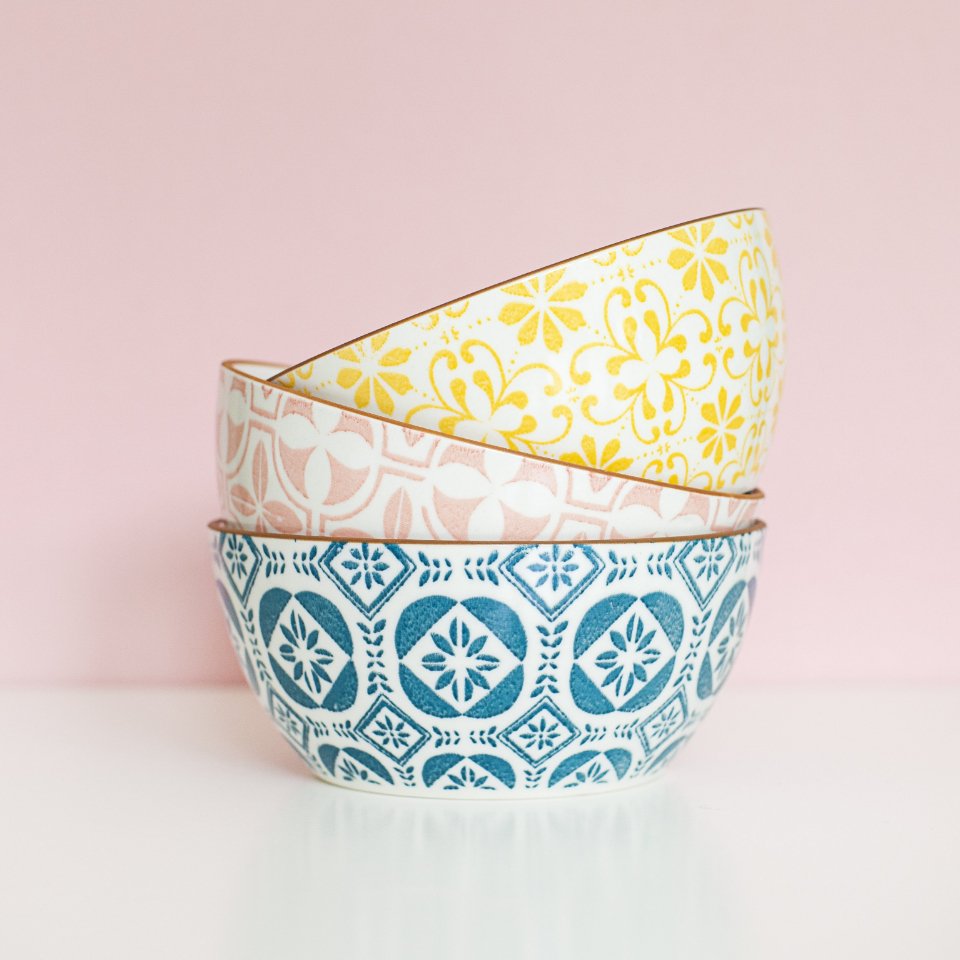
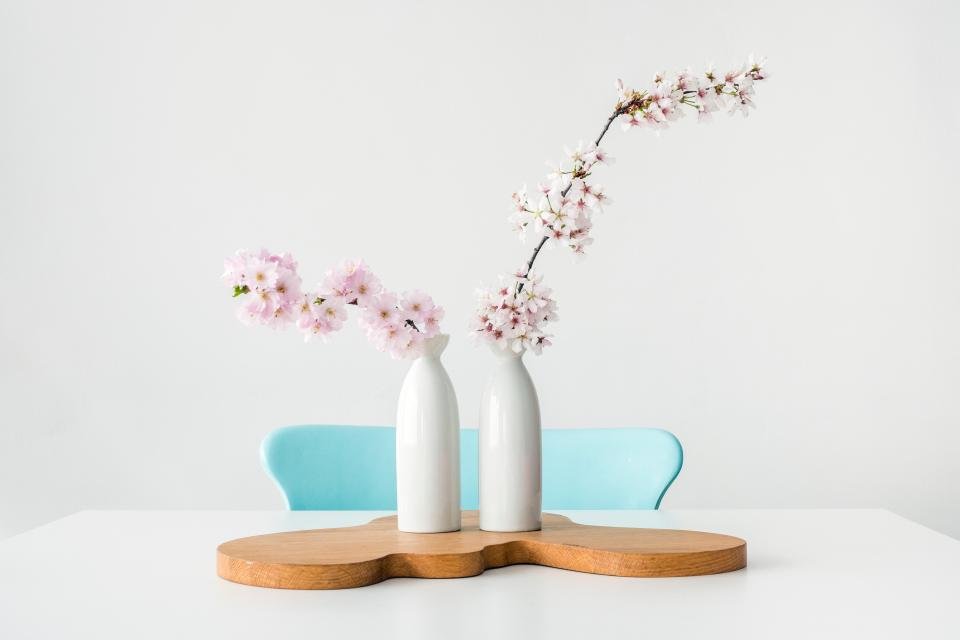
Hand-glazed bowls and simple stems — small, honest pleasures.
A home that’s allowed to age gracefully is a home that’s allowed to be lived in.
ChicFormat
Bringing a little wabi-sabi home
- Choose one handmade piece over three mass-produced ones.
- Let natural materials age instead of replacing them at the first mark.
- Swap a glossy vase for a matte, slightly irregular one.
- Leave a little more empty space on shelves and tables.
- Bring in something seasonal — a branch, a stone, dried grasses — and let it change through the year.
Why it matters
I think wabi-sabi resonates now because so much of life is polished and fast. A home that values the imperfect gives you permission to slow down, to keep things longer, and to stop chasing a version of ‘finished’ that never quite arrives. That feels like a kind of luxury to me.
Shop the Look
Imperfectly beautiful
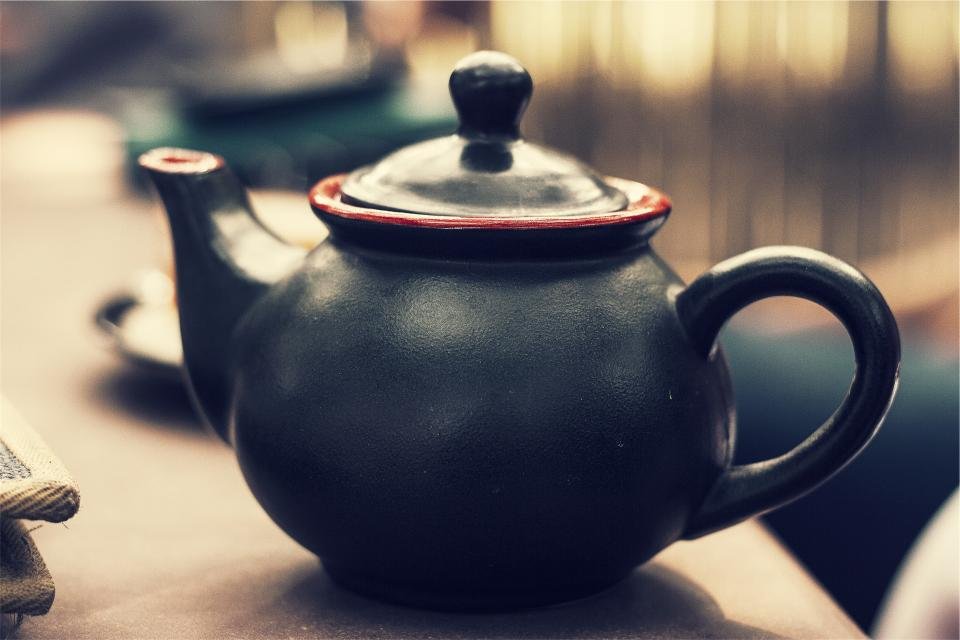
Tableware
Hand-Thrown Stoneware Bowls
Approx. $85
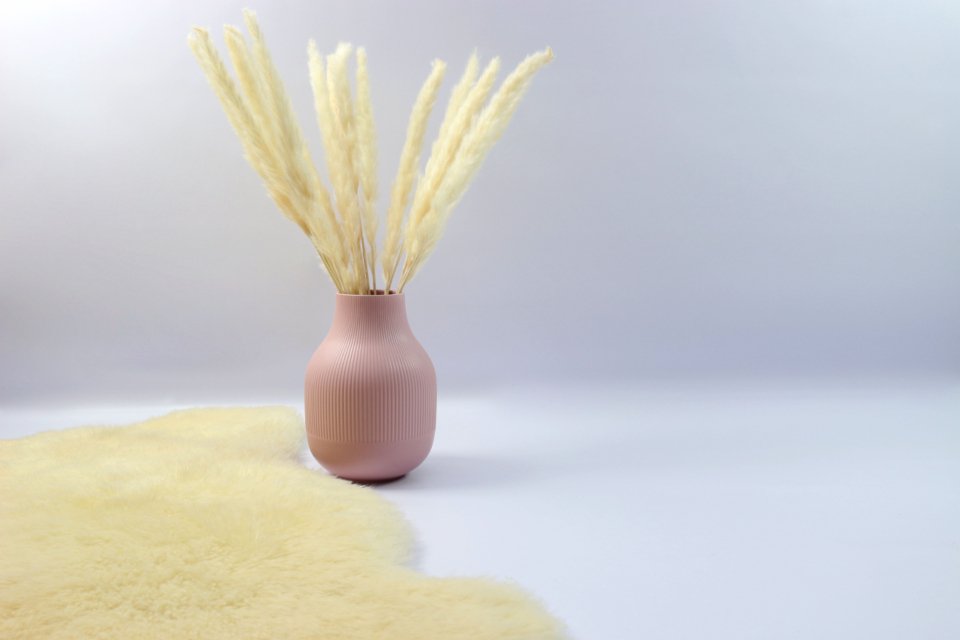
Decor
Matte Glazed Bud Vases
Approx. $60
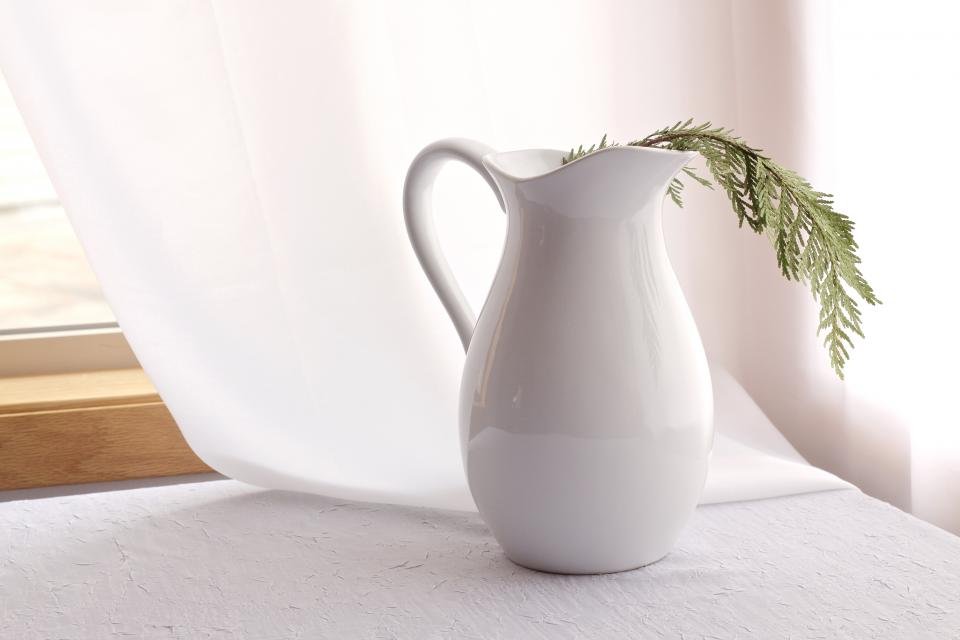
Decor
Rough-Edged Ceramic Jug
Approx. $48
Textiles
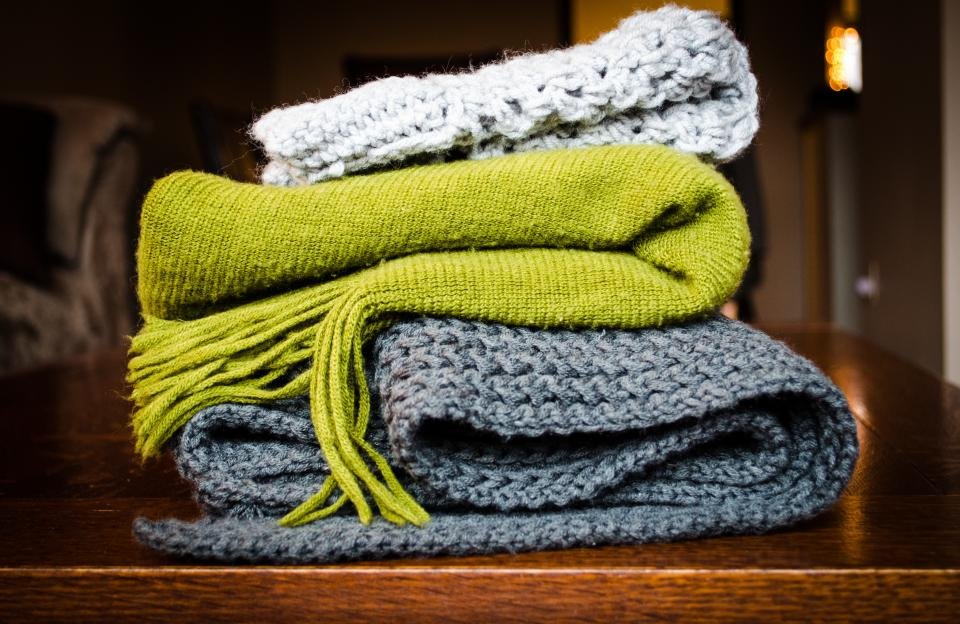
Undyed Wool Throw
Approx. $140