A vignette is just a little arrangement of objects that tells a story — on a windowsill, a console, a corner of the dresser. Interior designers use them to make a room feel finished, but you don’t need a designer’s budget. Most of my favourite vignettes are made from things we already owned.
The formula I keep coming back to
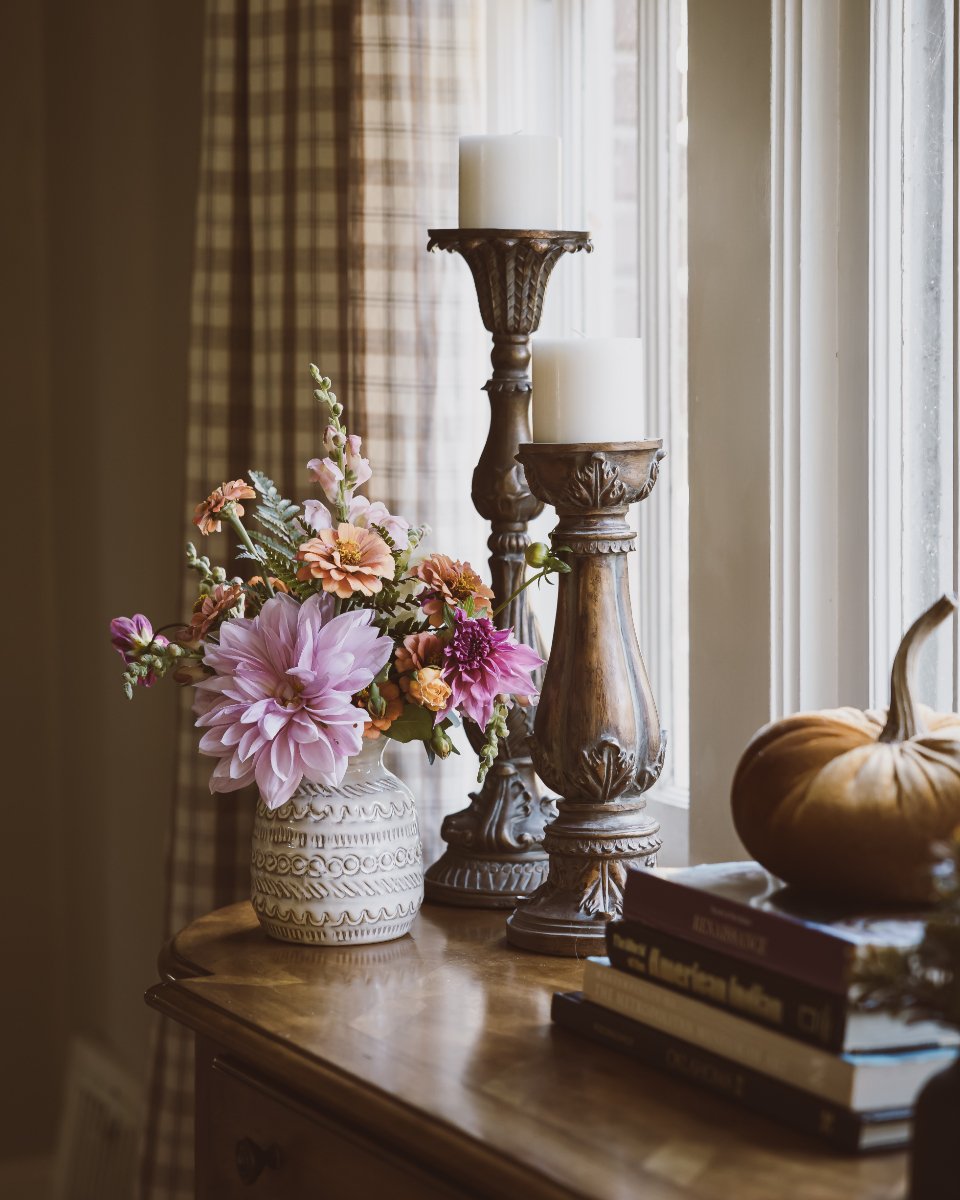
- Something tall — a vase with branches, a lamp, a candlestick.
- Something medium — a small stack of books, a bowl, a framed print leaning against the wall.
- Something small and personal — a stone, a little dish, a found object.
- Something living — a stem, a plant, a few clipped leaves.
Arrange them so the heights step down like a little skyline, and overlap them slightly so they feel like a group rather than three separate things.
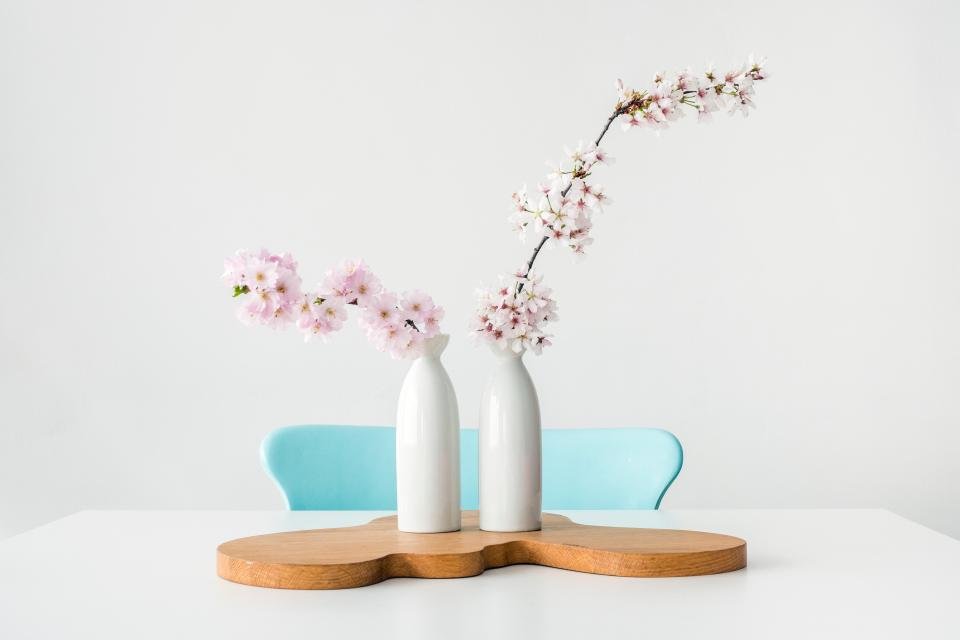
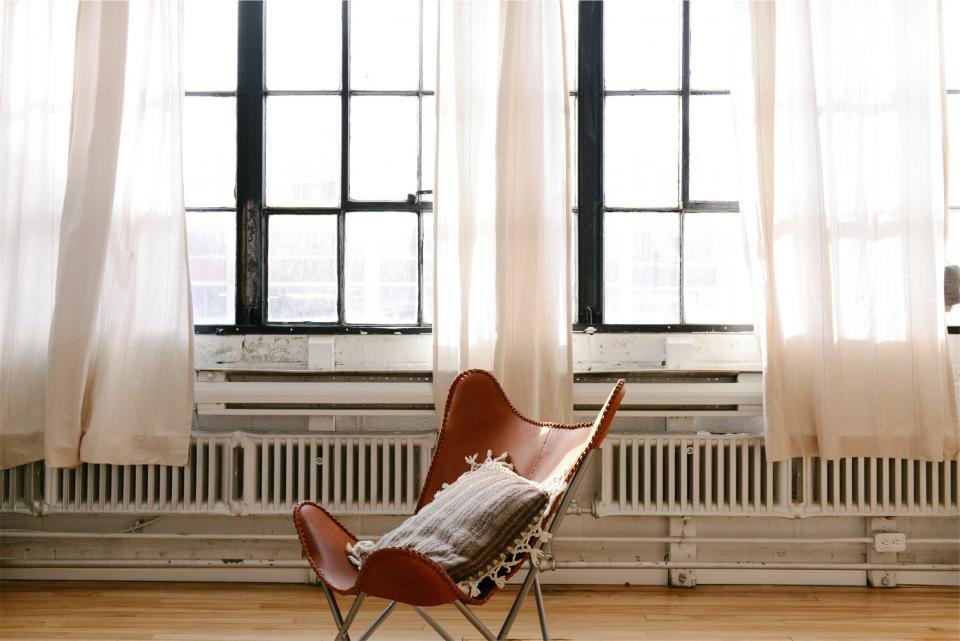
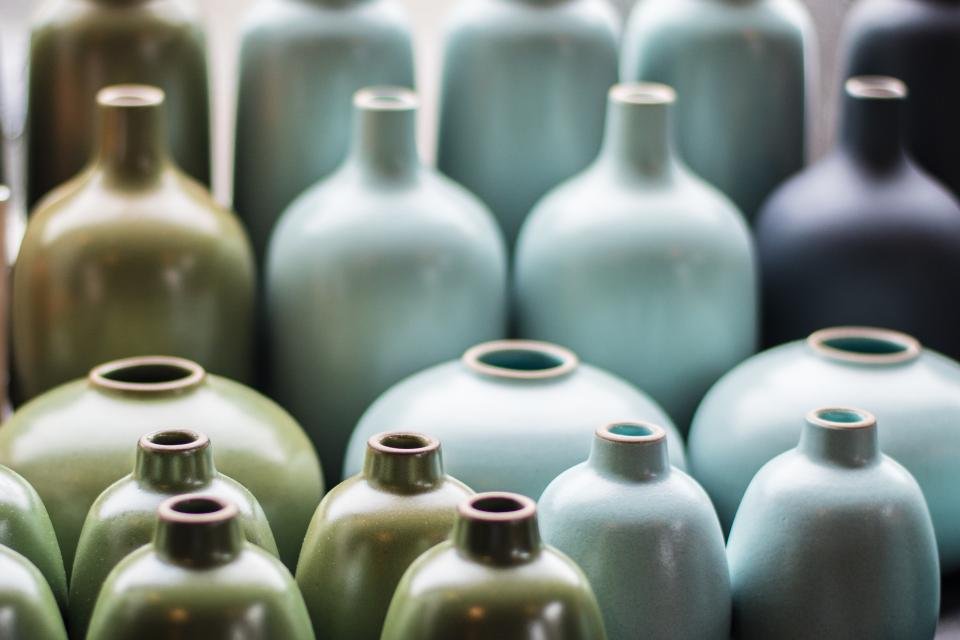
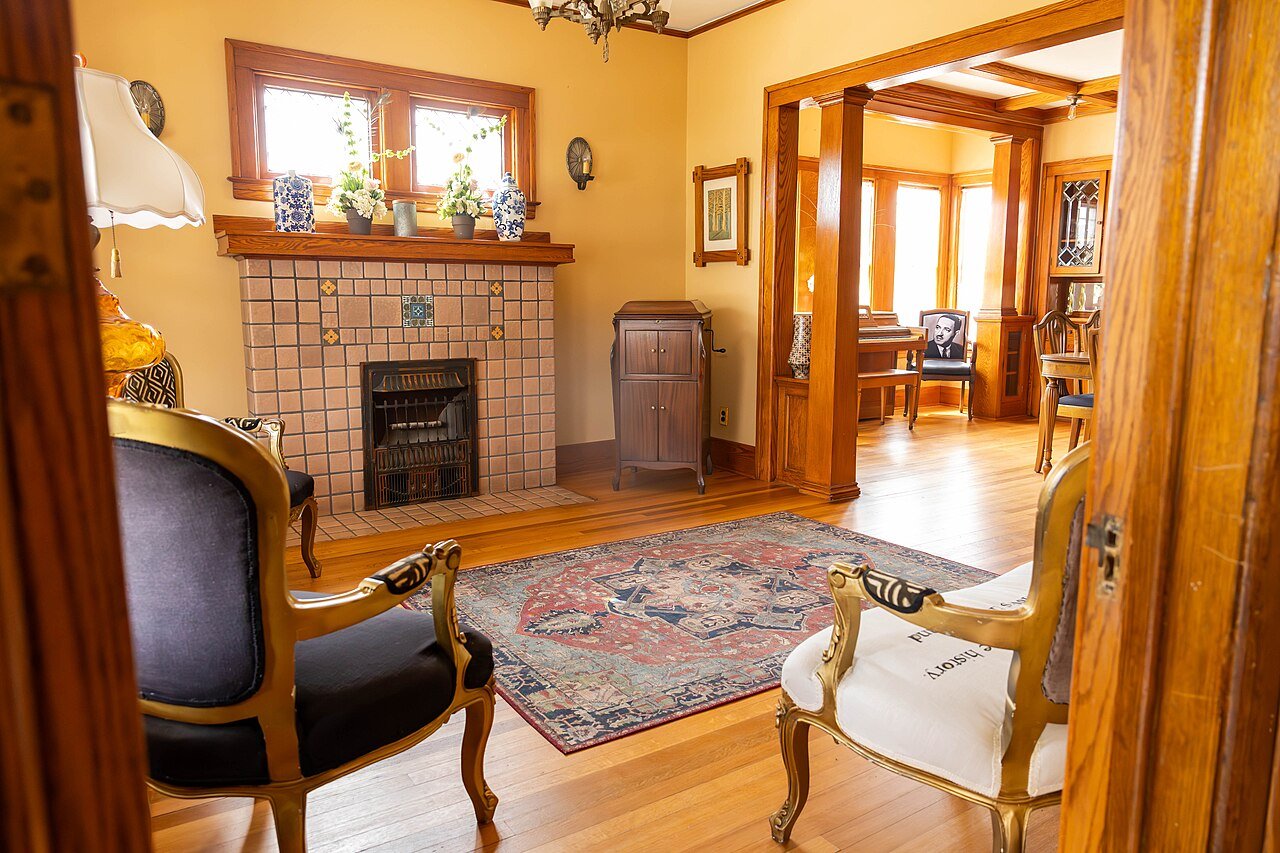
Tiny vases on a board, and a single chair that turns a window into a destination.
Odd numbers, varied textures
Groups of three or five tend to look more natural than pairs. Mix finishes, too: something matte with something glossy, something rough with something smooth. A ceramic vase next to a polished brass candlestick and a linen-bound book is far more interesting than three ceramic things in a row.
A vignette is a room in miniature.
ChicFormat
Where to start
Pick the spot you see first when you walk in the door. That’s the vignette that will make the biggest difference to how your home feels every single day. Change it with the seasons — branches in spring, dried grasses in autumn, a few evergreen sprigs in December.
Shop the Look
Vignette building blocks
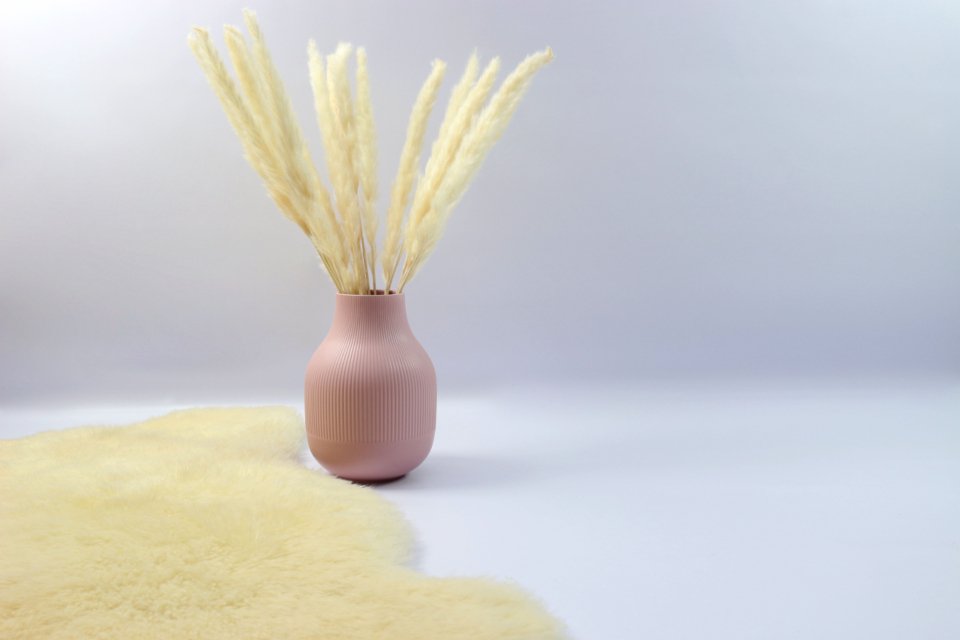
Decor
Blush Ceramic Vase
Approx. $55
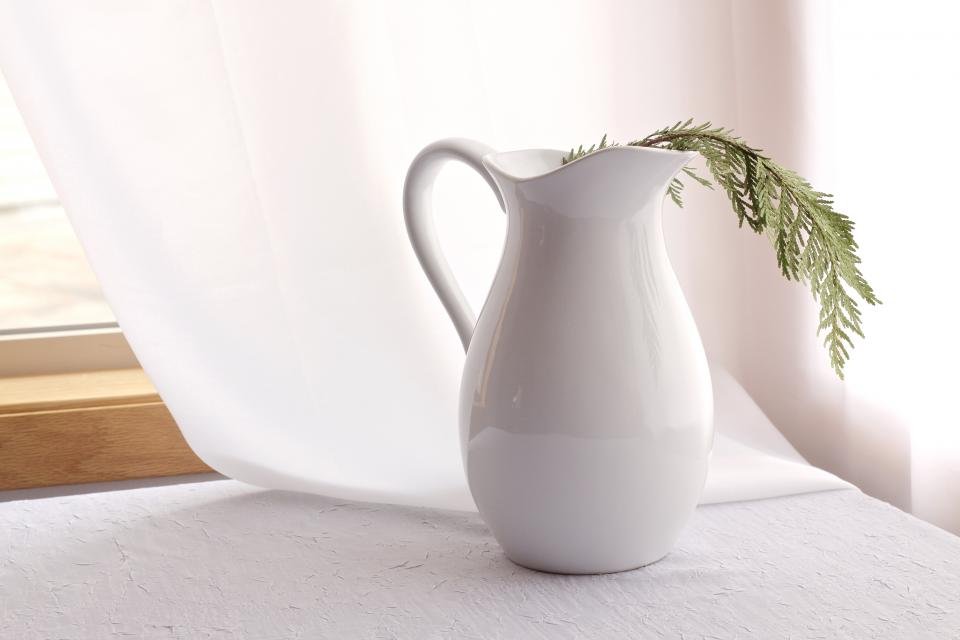
Decor
White Bud Vases
Approx. $32
Accent
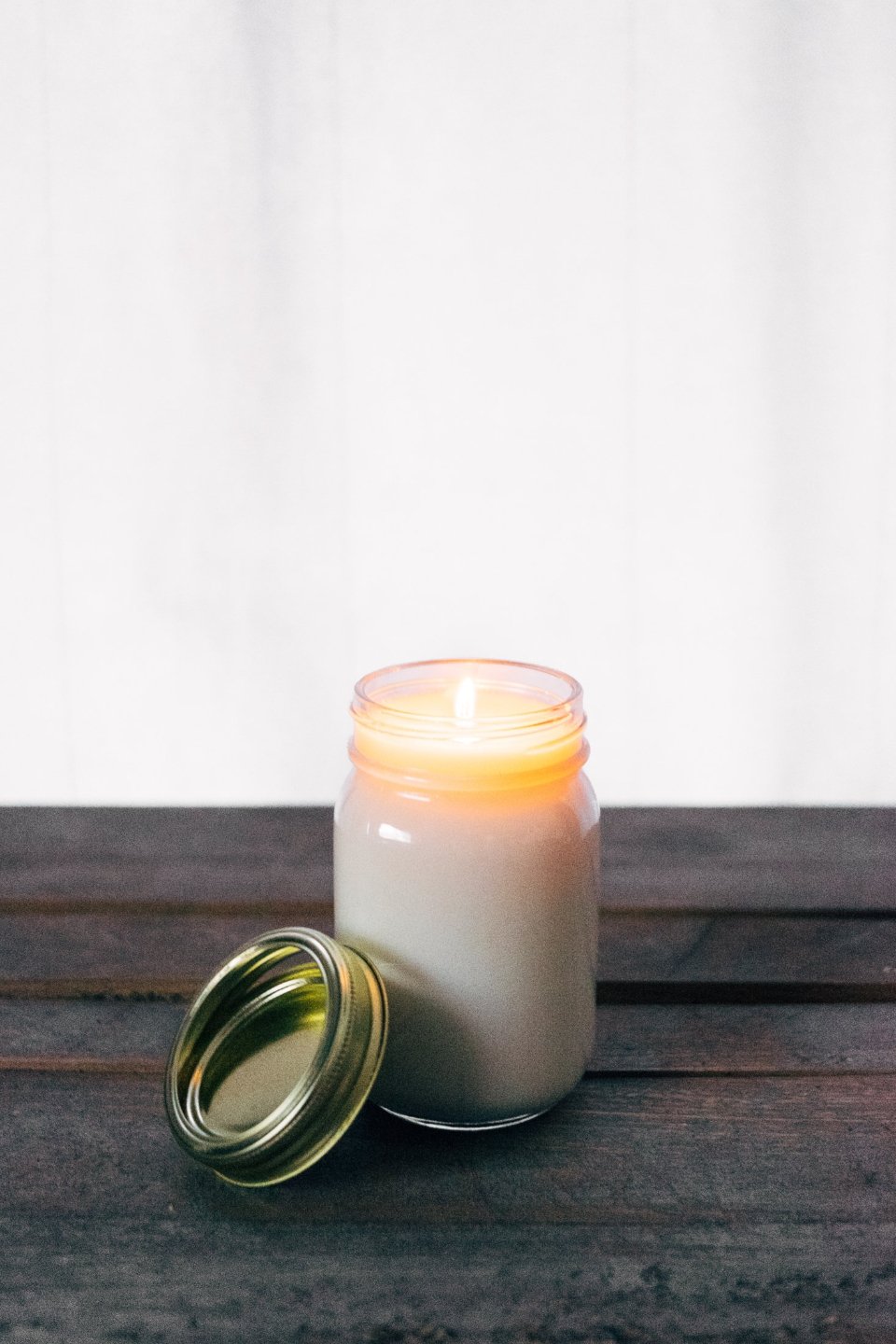
Amber Glass Candle
Approx. $34