I didn’t think much about sheets until I spent one summer sleeping on a friend’s linen bedding and couldn’t stop talking about it. Since then I’ve tried most of the popular fabrics, and I’ve realised there isn’t a best one — only the right one for how you sleep.
Linen: relaxed and breathable
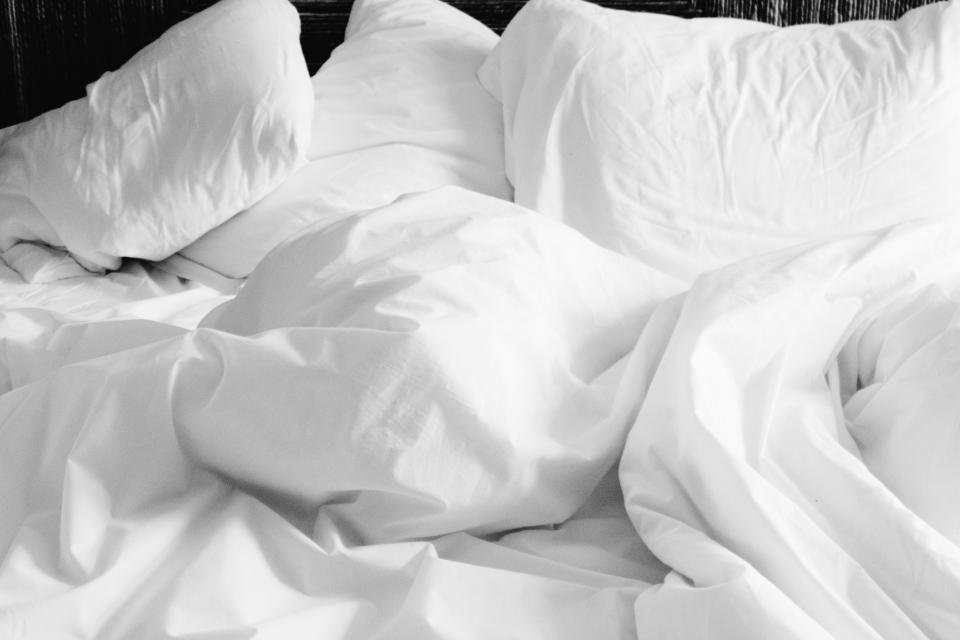
Linen is woven from flax fibres. It’s textured, slightly heavier, and wonderfully breathable, so it suits warm sleepers and people who love a lived-in, undone look. It softens beautifully with every wash. The trade-off: it wrinkles, and that’s part of its charm. If you need a crisp, ironed bed, linen will frustrate you.
Percale: crisp and cool
Percale is a tight, one-over-one-under cotton weave. It has a matte finish and that cool, crisp feeling you remember from a well-made hotel bed. It’s a great all-season choice and the one I’d recommend if you’re not sure where to start.
Sateen: smooth and warm
Sateen uses a different weave that puts more threads on the surface, giving it a soft sheen and a silky hand. It drapes beautifully and feels a little warmer, which makes it lovely for winter or for anyone who runs cold.
The best bedding is the one you look forward to getting into.
ChicFormat
A note on thread count
Higher isn’t automatically better. Fibre quality and weave matter far more than a big number on the packaging. A well-made percale in a moderate thread count will often outlast and outperform a cheaper, very high-count sheet.
How I layer ours
- Percale fitted sheet — crisp underneath.
- Linen duvet cover — relaxed on top.
- A wool or knit throw at the foot of the bed from October to April.
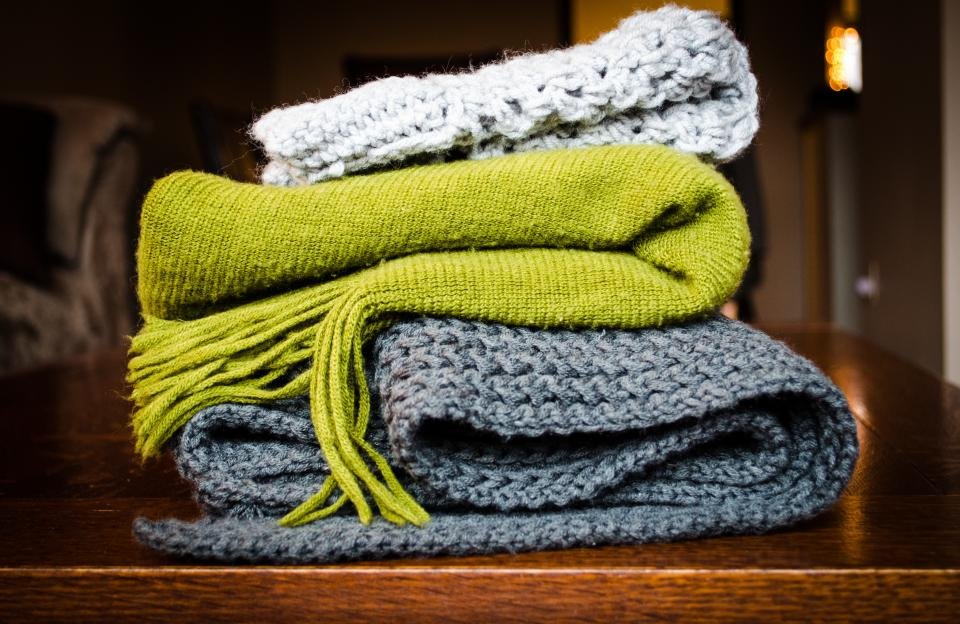
Mixing fabrics like this gives you the best of each — and the slightly imperfect combination looks more personal than a matching set ever could.
Shop the Look
Bedding worth investing in
Bedding
Washed Linen Sheet Set
Approx. $220

Bedding
Cotton Percale Pillowcases
Approx. $45

Textiles
Merino Wool Throw
Approx. $160